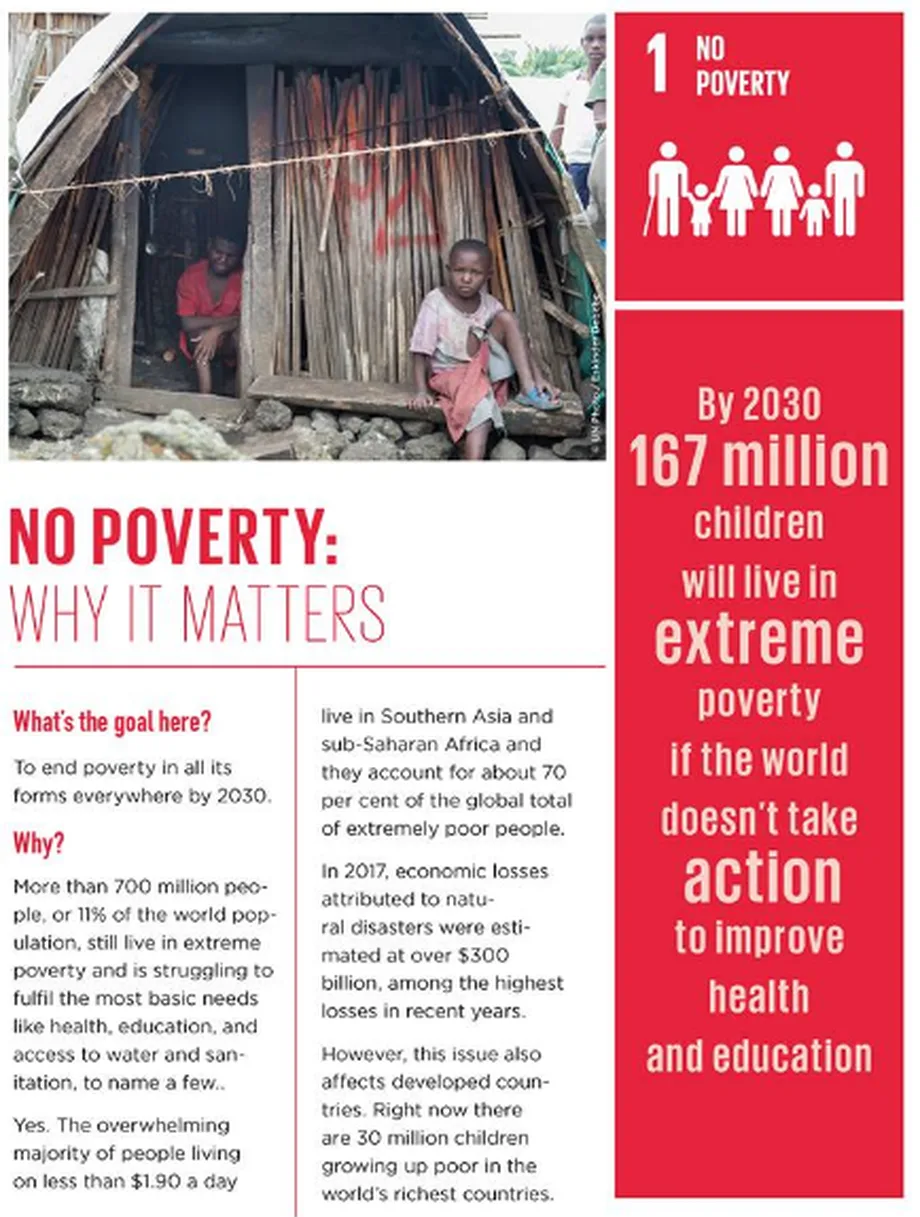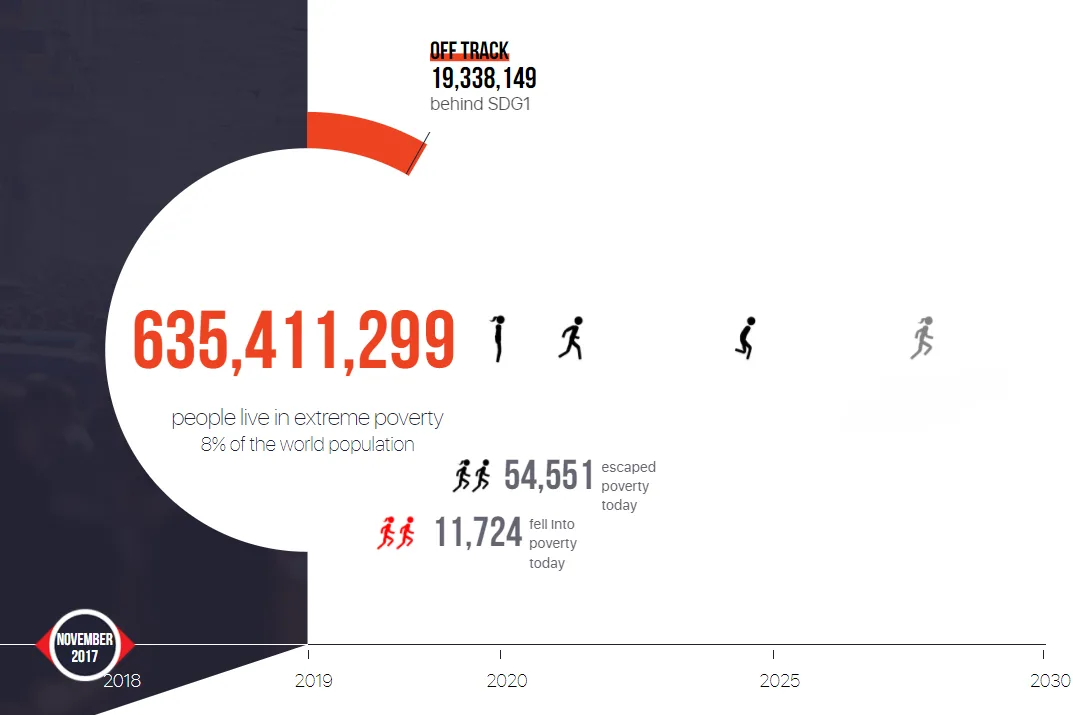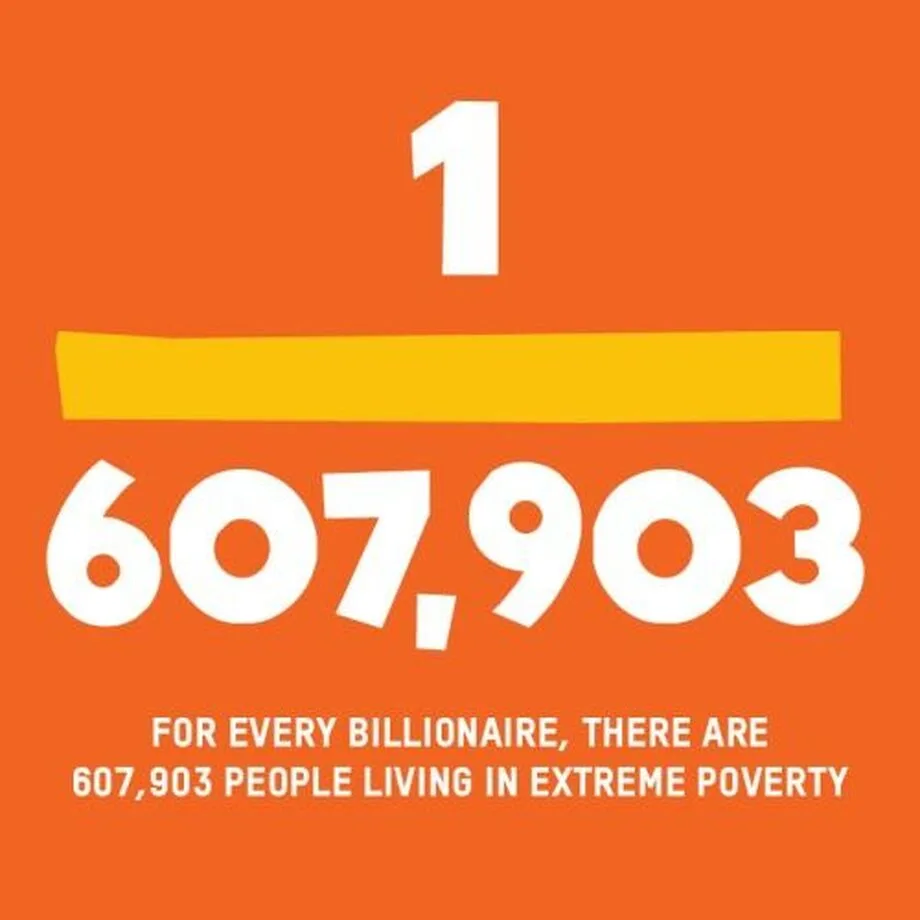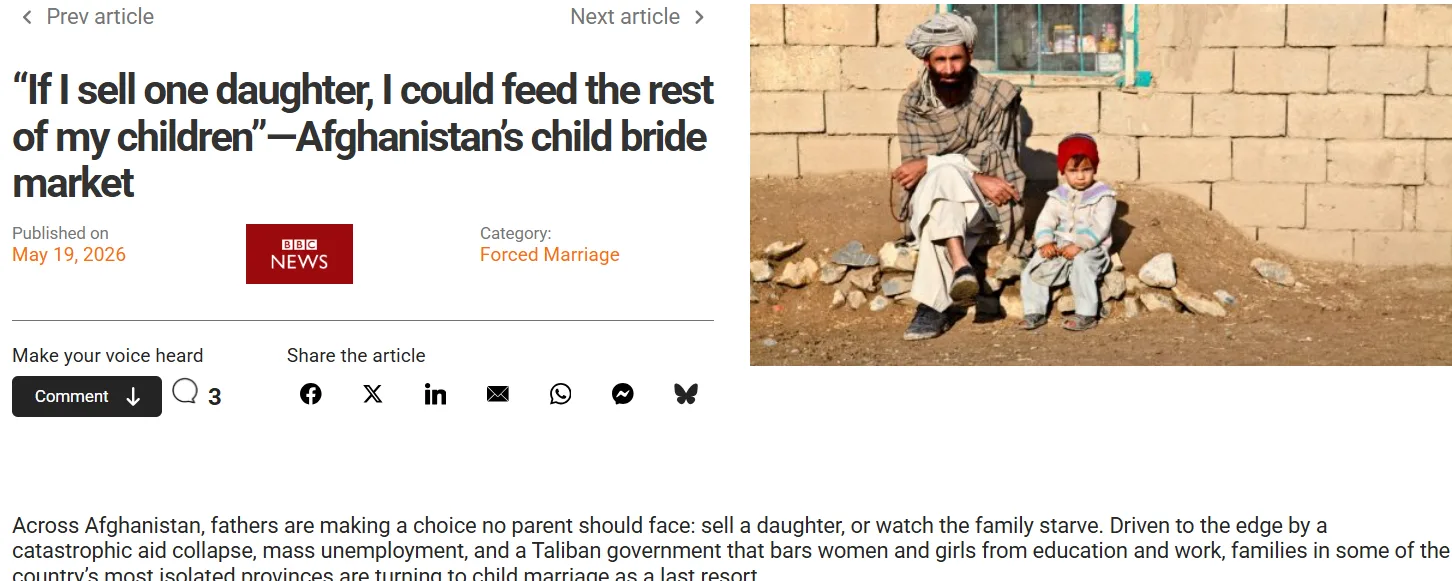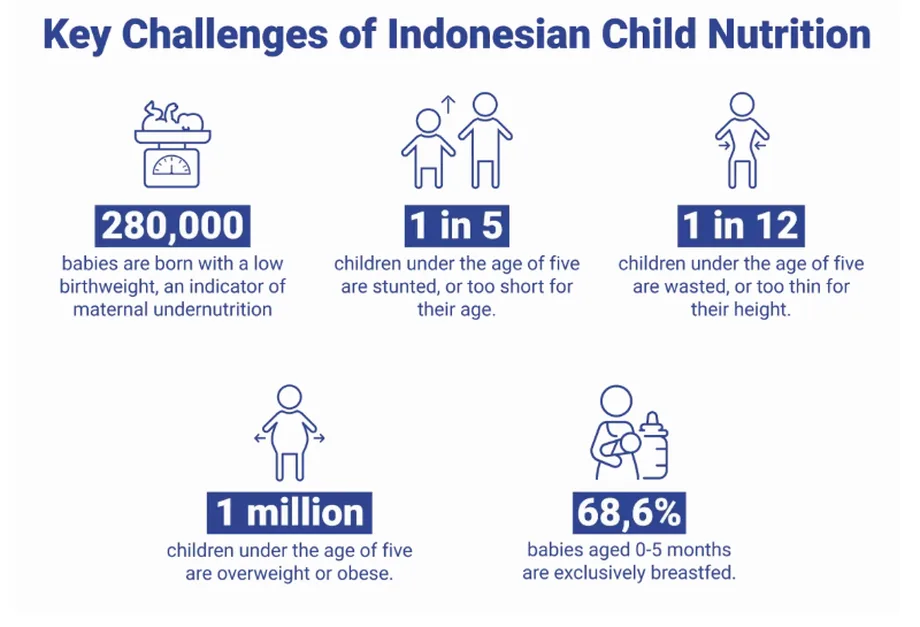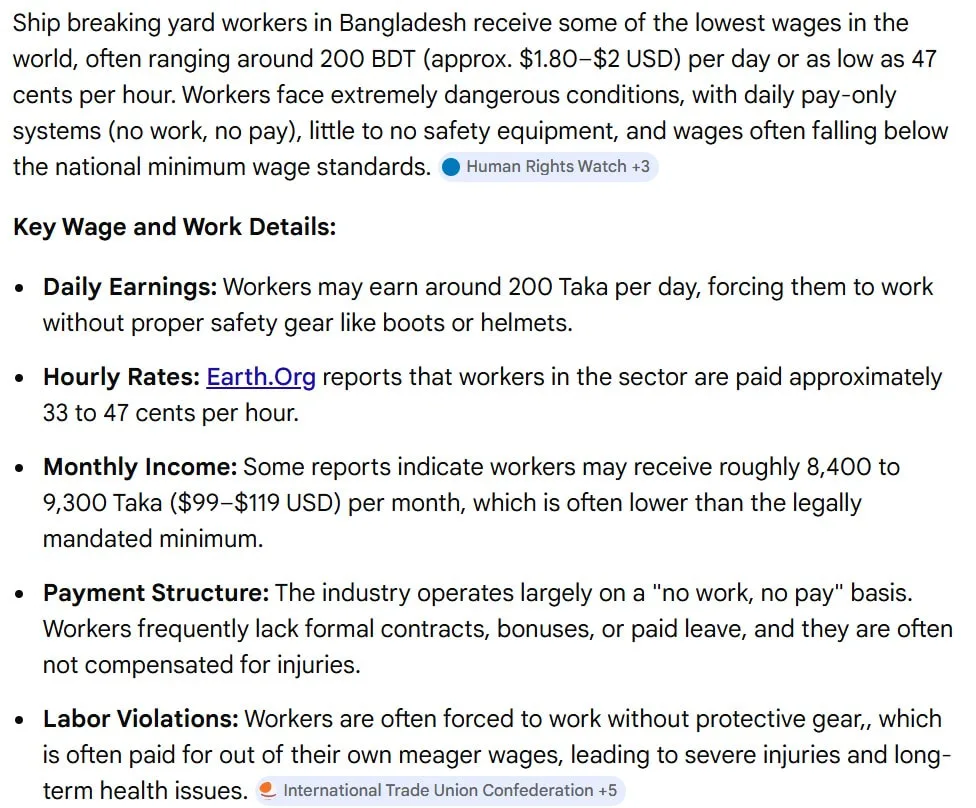
Despite the progress made in reducing poverty, the number of people living in extreme poverty globally remains unacceptably high. And given global growth forecasts, poverty reduction may not be fast enough to reach the target of ending extreme poverty by 2030.
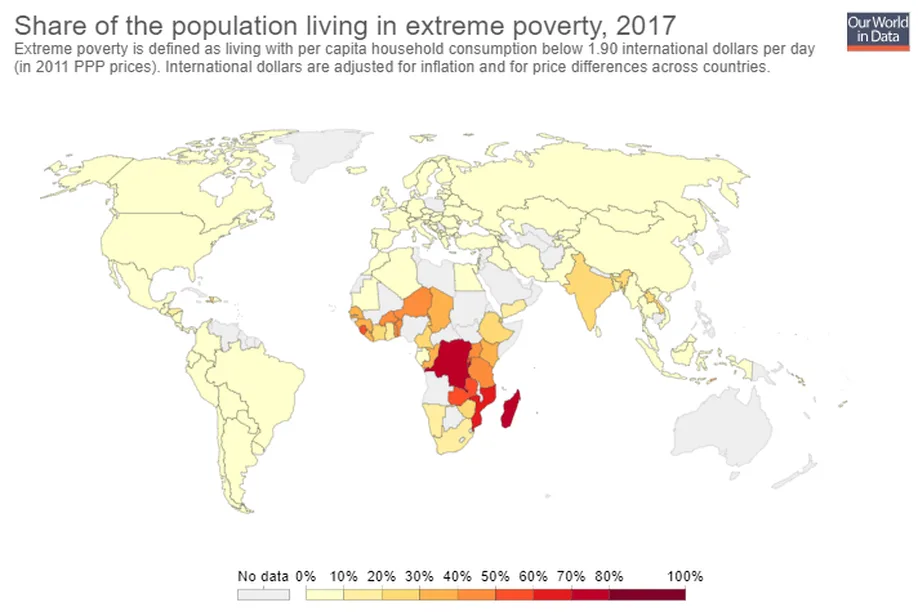
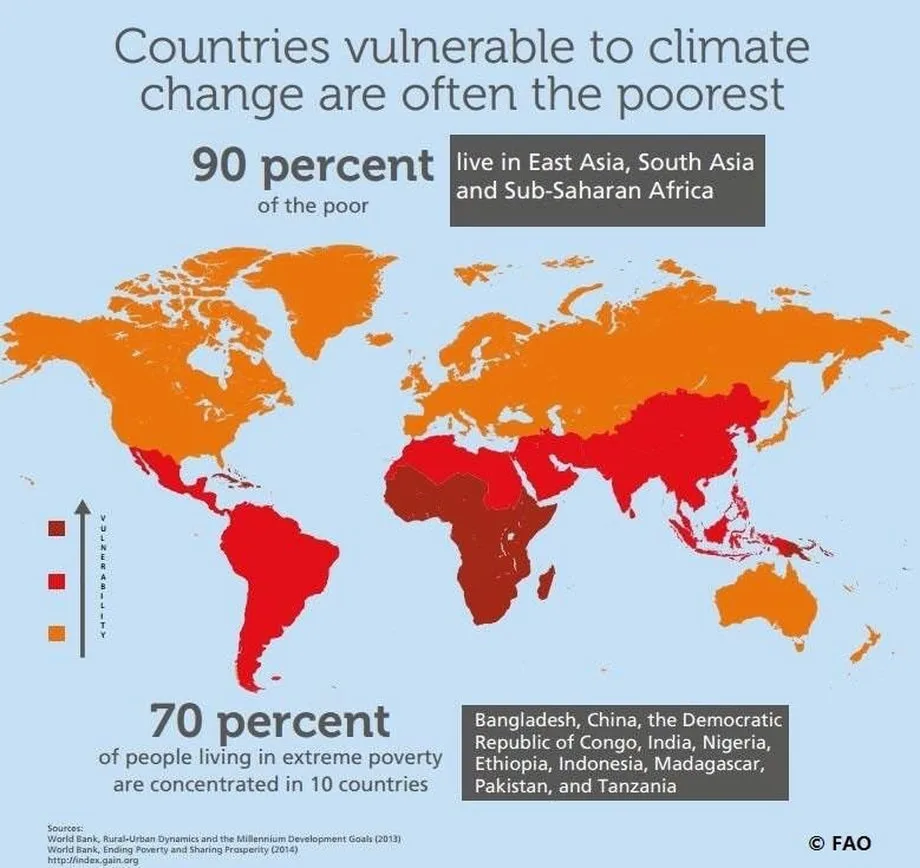
- More than half of the extreme poor live in Sub-Saharan Africa. In fact, the number of poor in the region increased by 9 million, with 413 million people living on less than US$1.90 a day in 2015, more than all the other regions combined. If the trend continues, by 2030, nearly 9 out of 10 extreme poor will be in Sub-Saharan Africa.
- The work to end extreme poverty is far from over, and many challenges remain. The latest projections show that if we continue down a business-as-usual path, the world will not be able to eradicate extreme poverty by 2030. That’s because it is becoming even more difficult to reach those remaining in extreme poverty, who often live in fragile countries and remote areas. Access to good schools, health care, electricity, safe water, and other critical services remains elusive for many people, often determined by socioeconomic status, gender, ethnicity, and geography. Moreover, for those who have been able to move out of poverty, progress is often temporary: Economic shocks, food insecurity and climate change threaten to rob them of their hard-won gains and force them back into poverty. It will be critical to find ways to tackle these issues as we make progress toward 2030.
- Credit: WORLD BANK GROUP