
(97) ‘Watermelon Snow’ Is Pink and Pretty, But It Signals Disaster
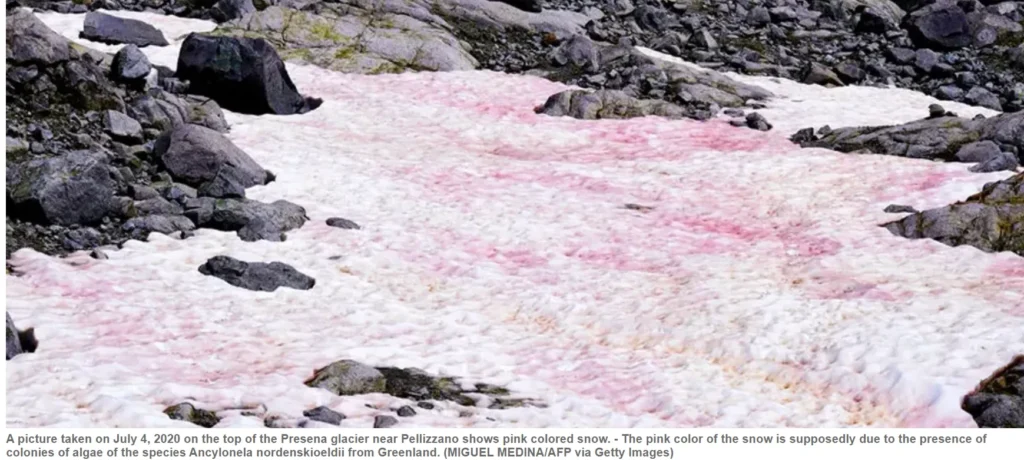
It’s also known as blood snow, pink snow, or red snow. Otherwise known as glacier blood, watermelon snow is found worldwide in mountains and polar regions. The pink-red snow has a faintly fruity smell but is reported to have laxative effects if eaten. The watermelon colour comes from freshwater green algae called Chlamydomonas nivalis. In […]
(96) Chemical Pollution Has Passed Safe Limit For Humanity
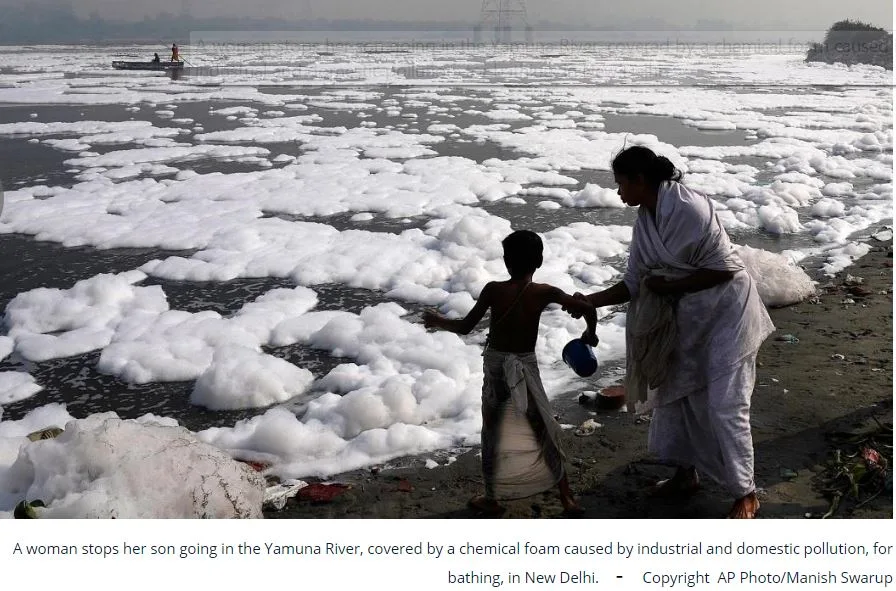
The cocktail of chemical pollution that pervades the planet now threatens the stability of global ecosystems upon which humanity depends, scientists have said. Chemical pollution threatens Earth’s systems by damaging the biological and physical processes that underpin all life. For example, pesticides wipe out many non-target insects, which are fundamental to all ecosystems and, therefore, […]
(95) Disposable Coffee Cups – Why Your Takeaway Cup Never Goes Away
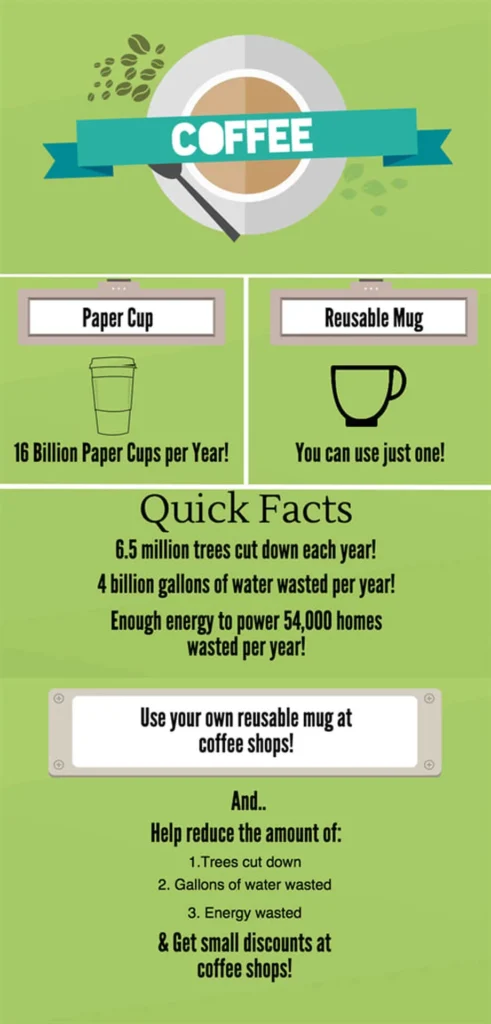
The biggest problem is that our disposable coffee cups are made from paper and lined with a form of plastic called polyethylene. It makes them waterproof so they can hold our drinks however this also makes them hard to dispose of. The plastic lining used in our takeaway coffee cups cannot be removed by most […]
(94) Petrol From Used Tyres: A Solution to Zambia’s Fuel And Waste Problems

A company in Zambia has begun converting abandoned tyres and discarded plastic into petrol , diesel and gas in a project that could help slash the amount the country spends on importing fuel while simultaneously clearing some of the waste that litters many of the streets in the nation’s towns and cities. The project by […]
(93) Luxury Cruise Giant Emits 10 Times More Air Pollution (SOx) Than All Of Europe’s Cars
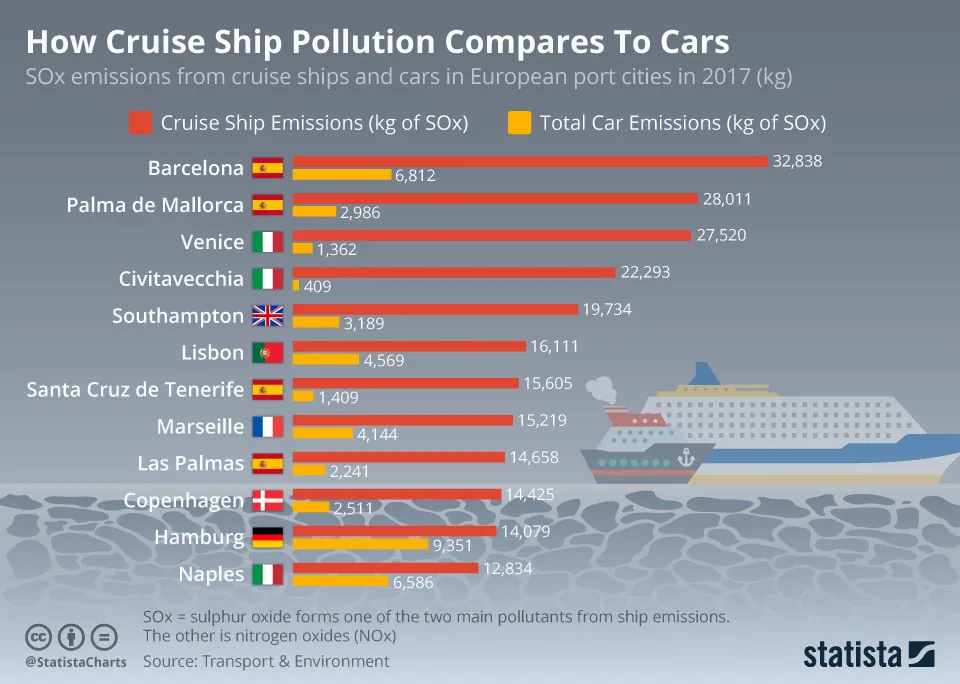
Cruise ships create pollution problems as supersized as themselves. Every single day, cruise ships worldwide emit the same particular matter as a million cars. A single large cruise ship will emit over five tonnes of NOX emissions, and 450kg of ultrafine particles a day. Carnival Corporation, the world’s largest luxury cruise operator, its 46 cruise […]
(92) Waste Human Hair Could Help Clean Up Oil Spills In Oceans
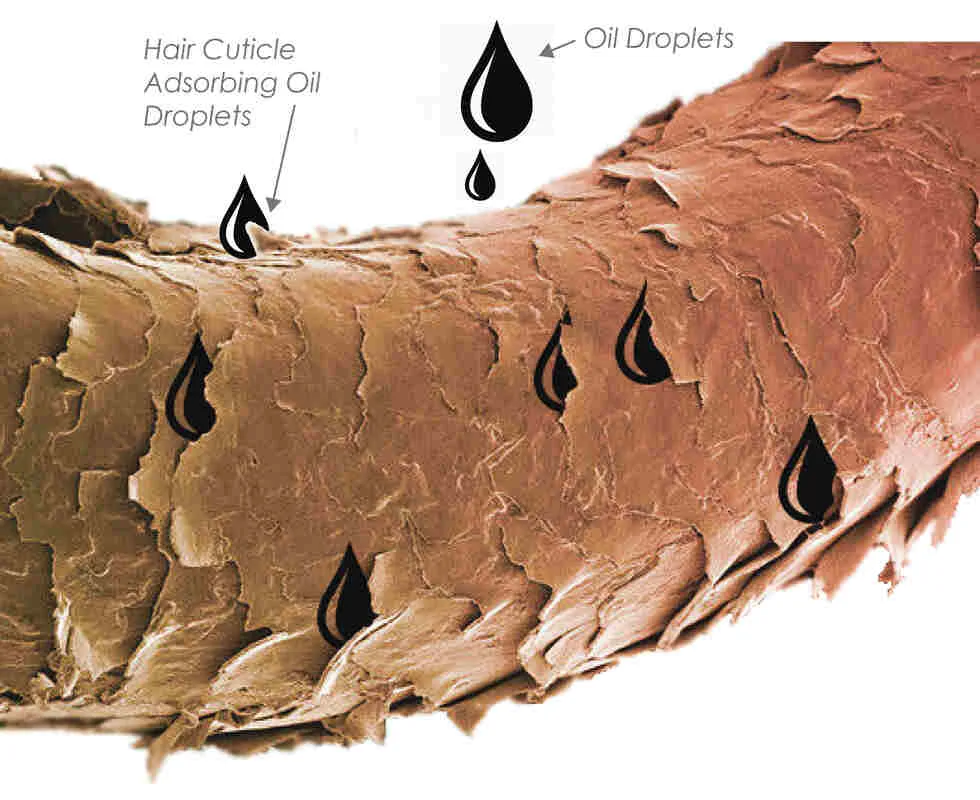
An organization in France gathers hair trimmings from more than 3,000 salons. The hair is then used to clean up oil from polluted water. Human hair can absorb up to eight times its weight in oil. It is also biodegradable and can be reused many times. The hair is stuffed into nylon stockings, creating floating […]
(91) Biodegradable Shopping Bags Buried For Three Years Still Work
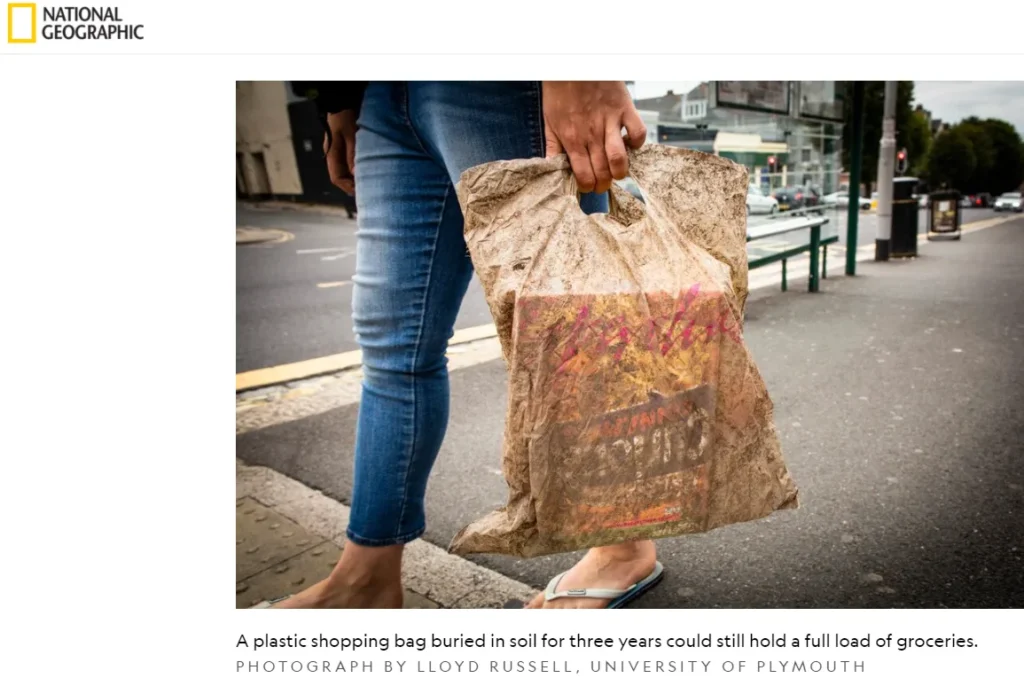
A new study casts doubt on the viability of biodegradable plastics as an answer to plastic pollution. in 2015, Richard Thompson, a British marine biologisthe and his graduate students at Plymouth University buried a collection of bags labeled as biodegradable in the school’s garden. Three years later, when the bags were dug up, they not […]
(90) Drugged Waters – How Modern Medicine Is Turning Into An Environmental Curse
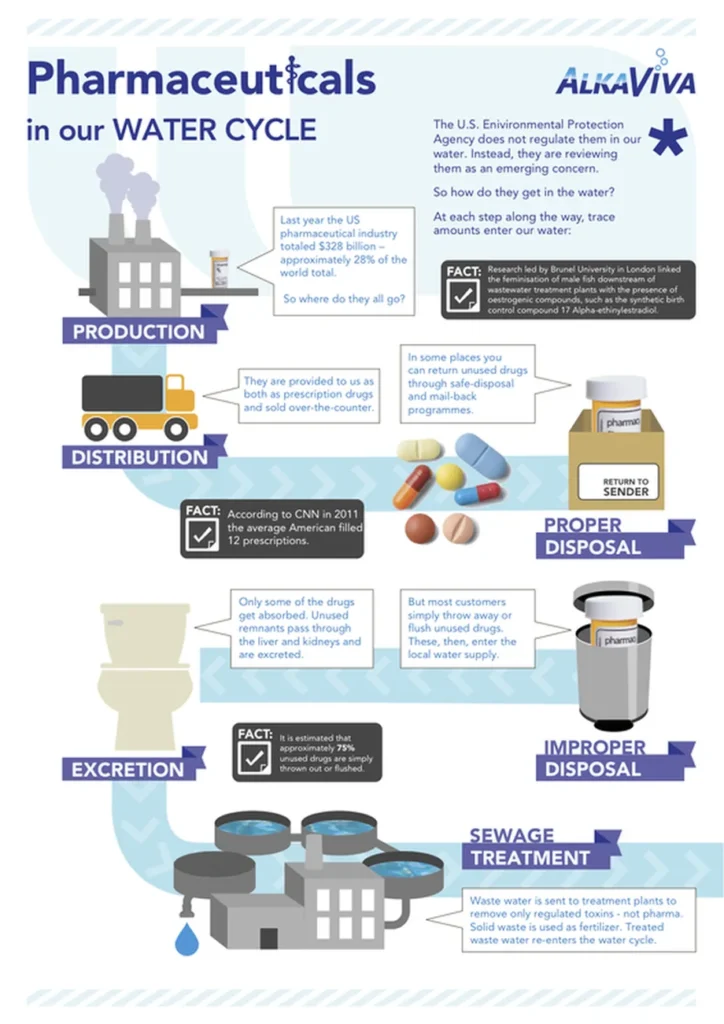
As the world’s population expands and we become wealthier, drugs and chemical-based care products become more prevalent. While pharmaceuticals are essential for human health and well-being, less is known on the effects they have on the freshwater sources on which we depend for our existence, and their impact on human health and biota. Drug manufacturing […]
(89) Feeding Cattle Seaweed Reduces Their Greenhouse Gas Emissions 82 Percent
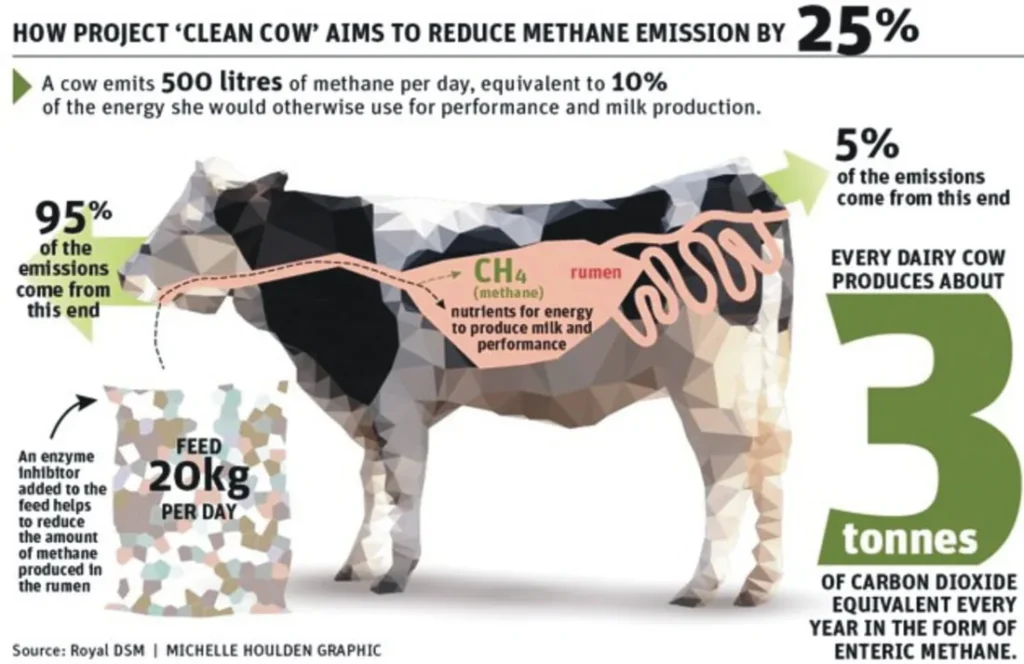
Cattle, such as dairy cows or beef cattle produce methane as a by-product of digestion. Cattle are ruminant animals, meaning they have specialized digestive systems that allow them to process foods that cannot be digested by humans and most other animals, like fresh grass and uncooked grain. When food enters a bovine’s stomach, it undergoes […]
(88) Sunscreen Pollution Proves Highly Toxic to Coral Reefs
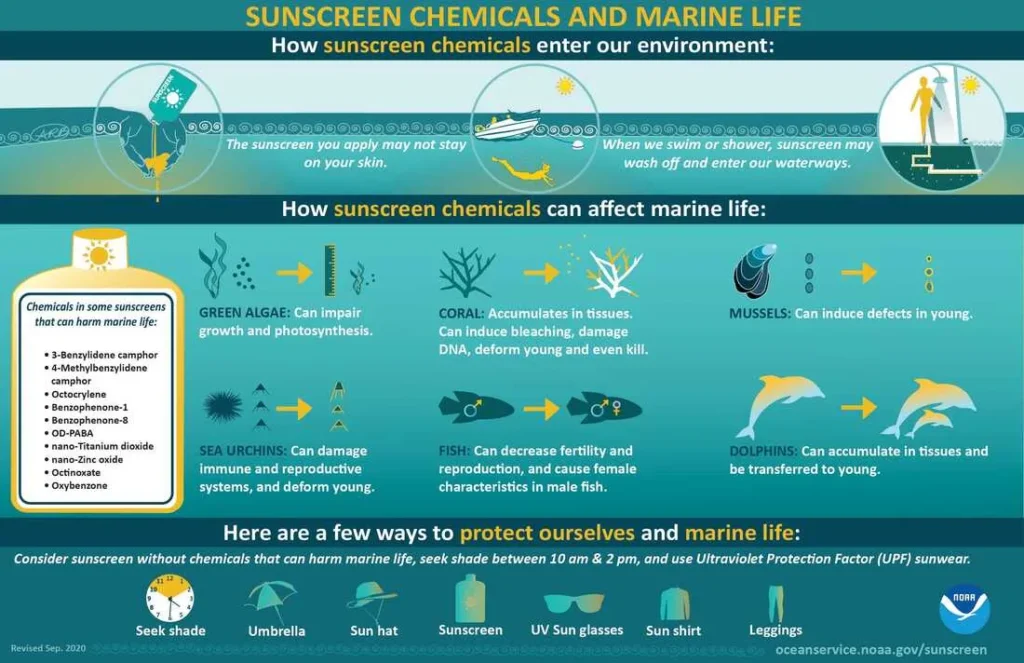
Healthy coral reefs are one of the most valuable ecosystems on Earth. They provide billions of dollars in economic and environmental services, such as food, coastal protection, and tourism. However up to 20% of the world’s reef systems are at risk of elimination by the chemicals found in sunscreen products. Each year up 14,000 tons […]