
(107) How is the Flower Industry Impacting the Planet? Netherlands Uses 106kg of Pesticides per Hectare of Roses

The demand for flowers is year-round and follows a rapid and episodic pattern which is responsible for the large environmental footprint the industry generates. Flowers must get to the end-consumer between three and five days after being harvested; there is a large economic consequence associated with not doing so, with flowers losing 15% of their […]
(106) Startups Creating Concrete That Can Absorb CO2
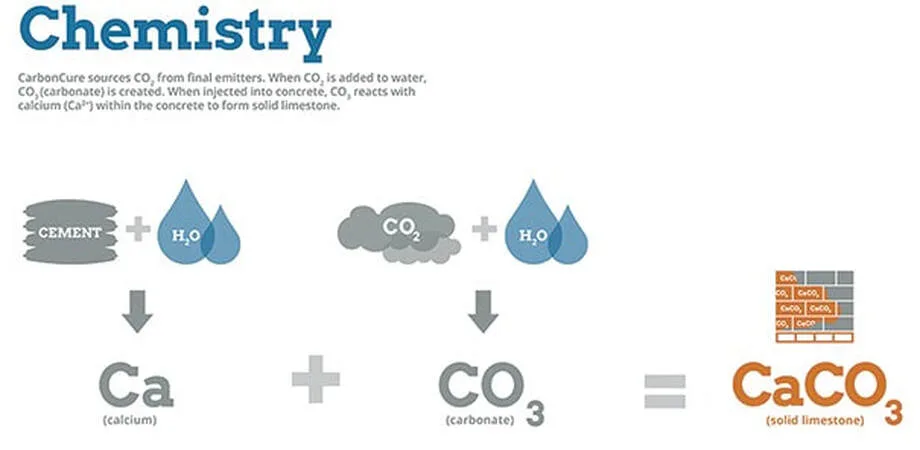
A California startup using rocks to soak up carbon dioxide from the air has teamed up with a Canadian company to mineralize the gas in concrete, a technological tie-up that is a first and they say could provide a model for fighting climate change globally. U.N. scientists concluded that removing billions of tons of carbon […]
(105) The Dark Side of Recycling – Final Destination For Tonnes of America’s Plastic Waste
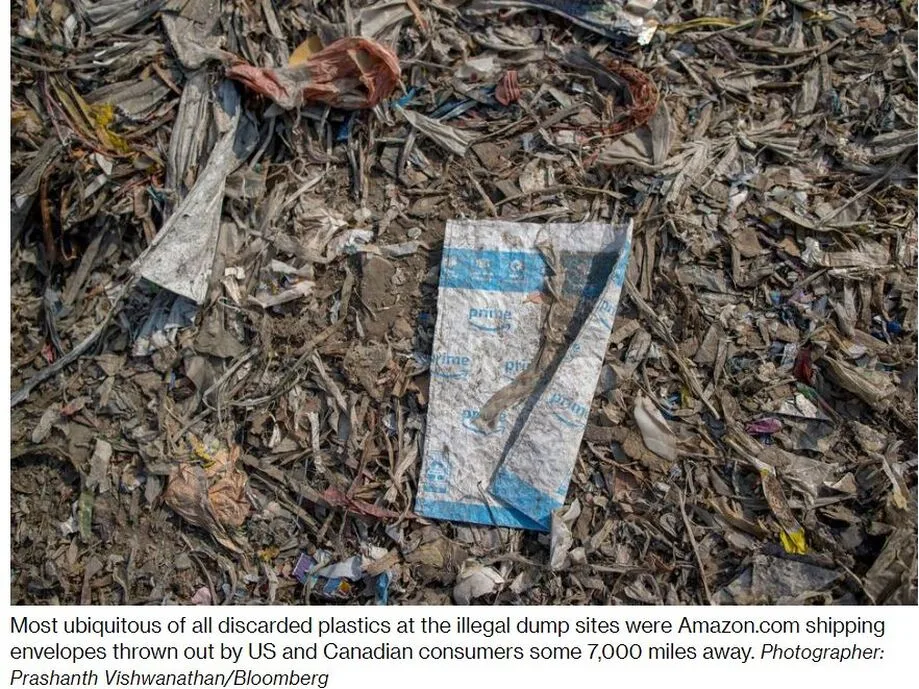
Plastic wrappers and parcels that start off in Americans’ recycling bins end up at illegal dumpsites and industrial furnaces — and inside the lungs of people in Muzaffarnagar. Plastic that enters the recycling system in North America isn’t supposed to end up in India, which has since 2019 banned almost all imports of plastic waste. […]
(104) Real Or Fake – The Overlooked Benefits Of Real Christmas Trees
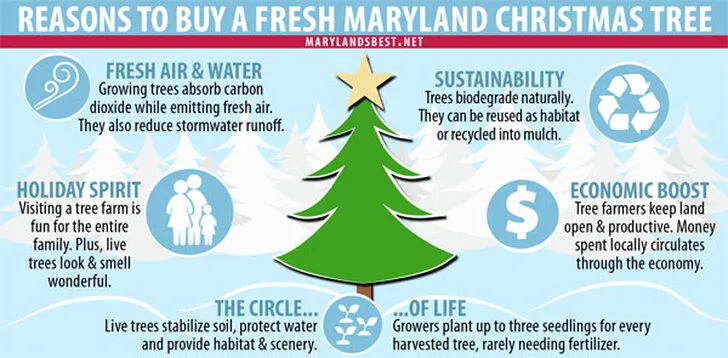
The environmental pros and cons of Christmas trees go far beyond the climate impact of “real or plastic”. In the U.S., around 10 million artificial trees are purchased each season. Nearly 90 percent of them are shipped across the world from China, resulting in an increase of carbon emissions and resources. And because of the […]
(103) Company Closes Fashion Loop by Recycling Old T-Shirts
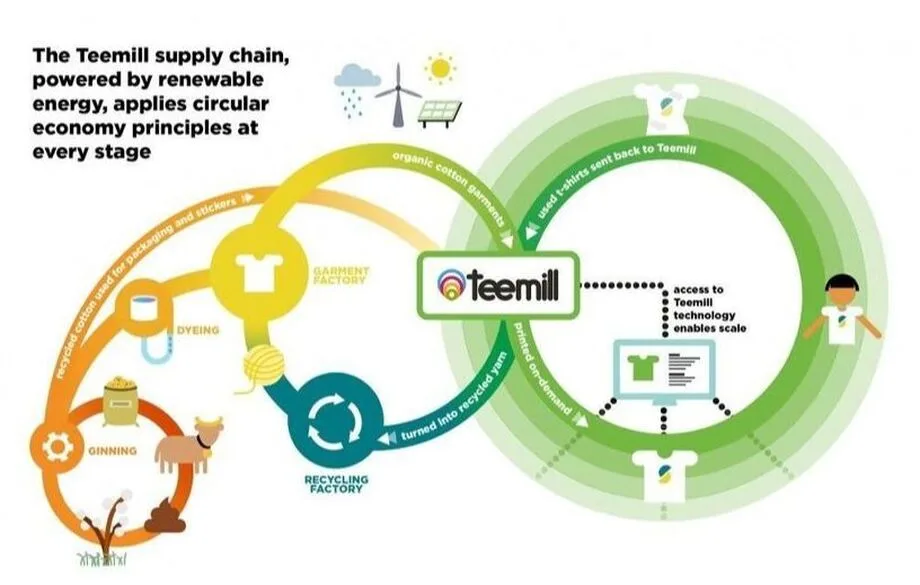
In the world of fast fashion, the ubiquity of the casual t-shirt with something printed on it seems immeasurable in scope. That’s where Teemill comes in. Claiming a truckload of clothes is dumped in a landfill or burned around the world every second, they’re trying to get a handle on this waste flow by cutting […]
(102) How Fast Fashion Is Using Kenya As A Dumping Ground For Textile Waste
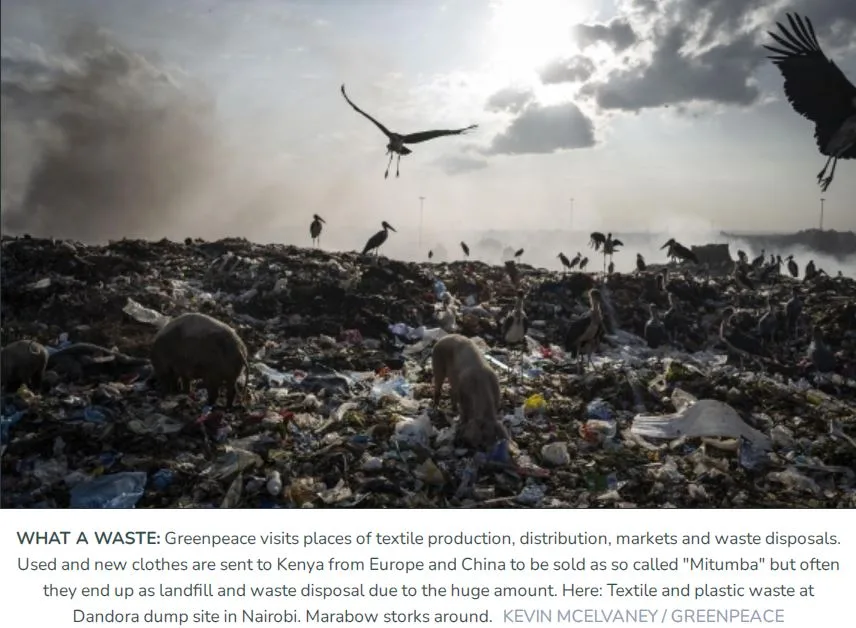
Every year, $460 billion worth of clothes that can still be worn are discarded. Not only is that a waste of material, experts say it’s also needlessly contributing to the climate crisis. The textile sector accounts for up to 8 per cent of global greenhouse gas emissions. Almost 40% of the used clothes imported into […]
(101) Some 640,000 Tons Of Fishing Gear Is Lost Or Abandoned Annually In Seas And Oceans
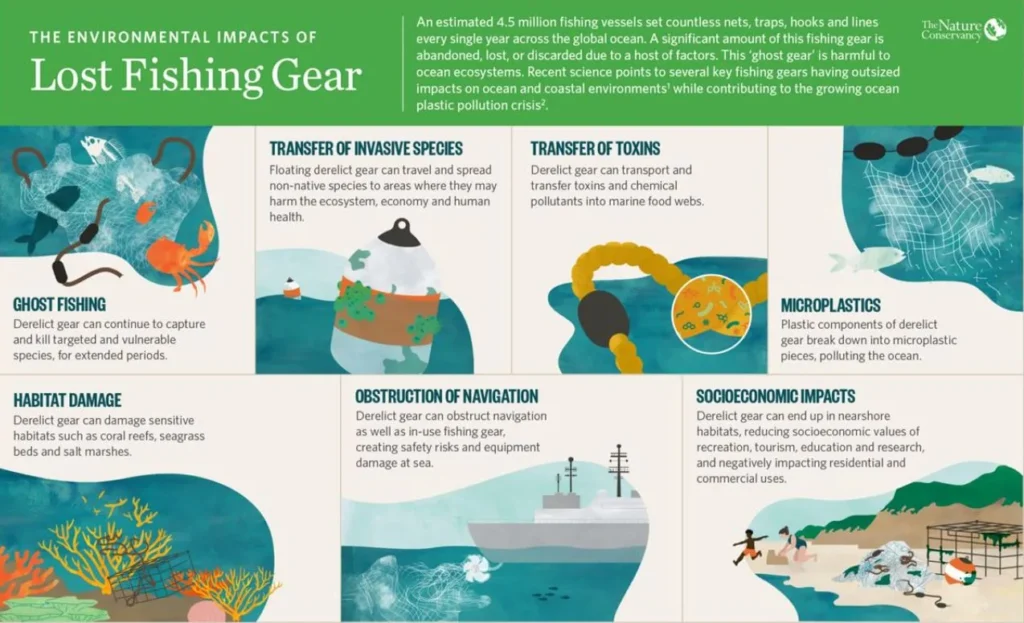
Lead Fishing Weights are poisonous to wildlife. Several international studies had indicated that some 640,000 tons of fishing gear is lost or abandoned annually in the ocean. This fishing weights slowly leach out lead into the seawater affecting fish and wildlife over time, harming them and in some cases, lead poisoning causing death. Under the […]
(100) “Sungai Watch” Reached the 120th Barrier Milestone in Protecting Indonesian Rivers
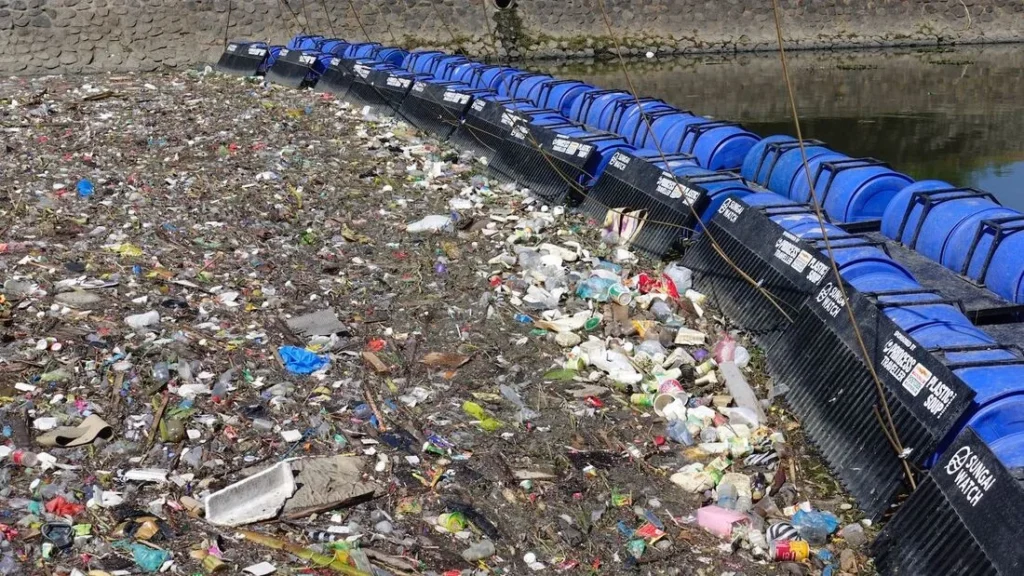
Clean rivers lead to a cleaner ocean. In the war against plastic pollution, Sungai Watch has installed 120 trash barriers to protect rivers in Bali, Indonesia. Sungai Watch (River Watch) is a community river cleanup organization with a mission to protect the waterways. Sungai Watch utilizes TrashBarriers to strain rivers, preventing waste from passing through […]
(99) Great Ocean Garbage Patch And There Are 5 Major Garbage Patches
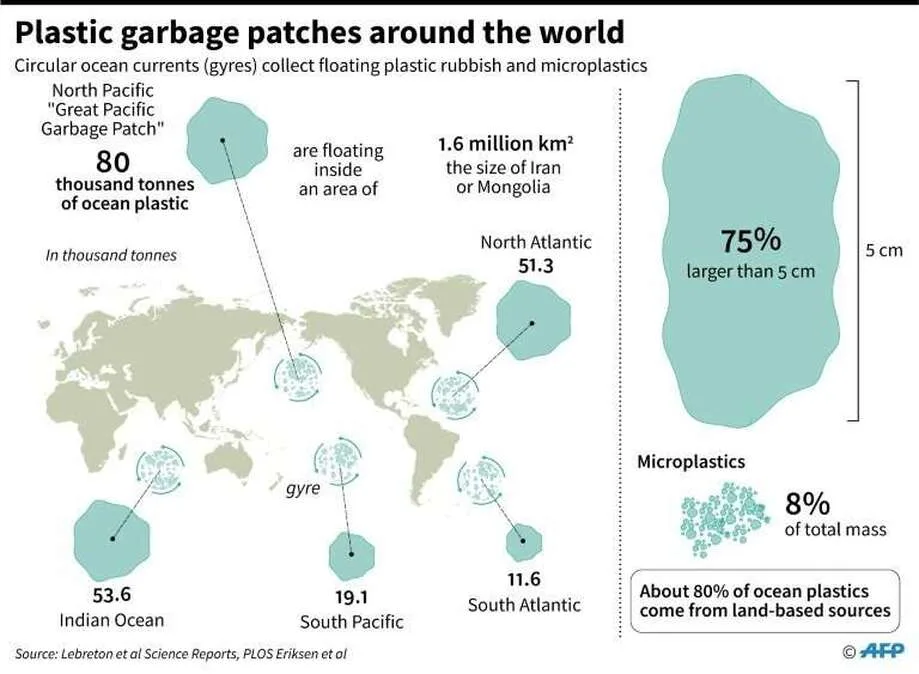
There are five gyres to be exact–the North Atlantic Gyre, the South Atlantic Gyre, the North Pacific Gyre, the South Pacific Gyre, and the Indian Ocean Gyre—that have a significant impact on the ocean. The big five help drive the so-called oceanic conveyor belt that helps circulate ocean waters around the globe. The most famous […]
(98) Chile: The Advance of the 742 Toxic Mountains
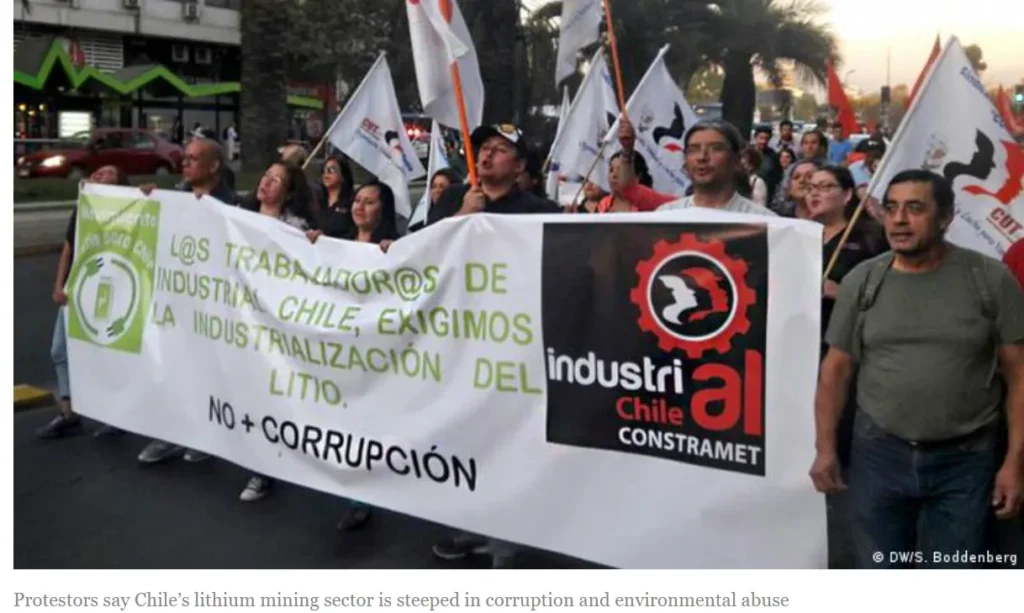
There are 742 tailings deposits in Chile, with toxic waste containing arsenic, lead, mercury, cyanide salts and chemicals produced in the process of mining accumulating to billions of tonnes. It is estimated that the equivalent to 2,572,263 tonnes of tailings are deposited every 30 hours. It is predicted that by 2026 more than 915 million […]