
(37) Scientists accidentally create mutant enzyme that eats plastic bottles
Scientists have created a mutant enzyme that breaks down plastic drinks bottles – by accident. The breakthrough could help solve the global plastic pollution crisis by enabling for the first time the full recycling of bottles. The new research was spurred by the discovery in 2016 of the first bacterium that had naturally evolved to […]
(36) The World’s Largest Ocean Cleanup Has Officially Begun
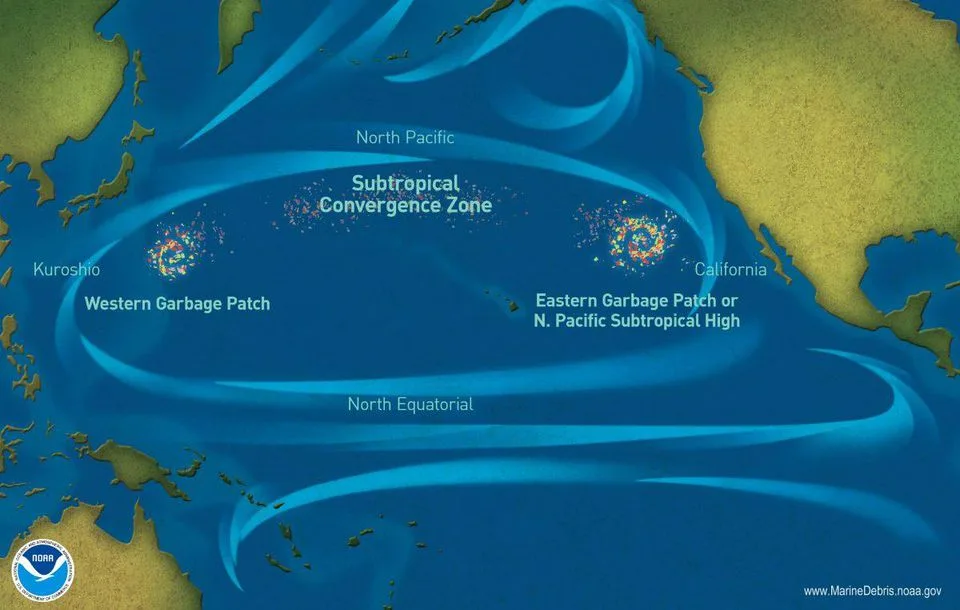
Ambitious dreams have now become a reality as the Ocean Cleanup deploys its $20 million system designed to clean up the 1.8 trillion pieces of trash floating in the Great Pacific Garbage Patch. The system was designed by the nonprofit Ocean Cleanup, which was founded in 2013 by 18-year-old Dutch inventor Boyan Slat. Their mission […]
(35) Why Coral Reef Restoration Could Save Our Oceans.
Warmer temperatures, along with overfishing, runoff, and dredging, have now killed off nearly 50 percent of the world’s coral reefs. The impact of the ongoing climate change, directly affecting coral reefs by an already measurable rise of sea water temperature, was manifested by the third global bleaching event in 2015/16. This event caused a mass […]
(34) The desparate race to save melting glaciers with blankets.
The Rhône Glacier is getting dressed up in white blankets and for a good cause: to protect it from further melting as a result of global warming. Every spring for the past eight years, residents from the neighboring Obergoms area have trekked up the Swiss mountain to wrap thermal blankets around parts of the glacier […]
(33) A Running List of Action on Plastic Pollution.
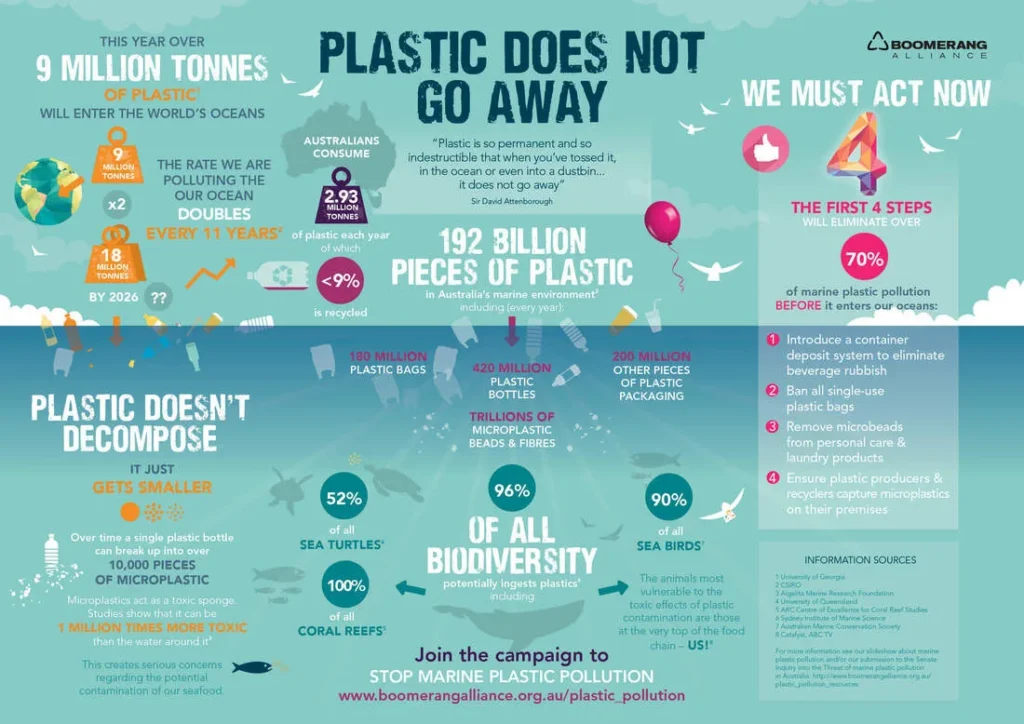
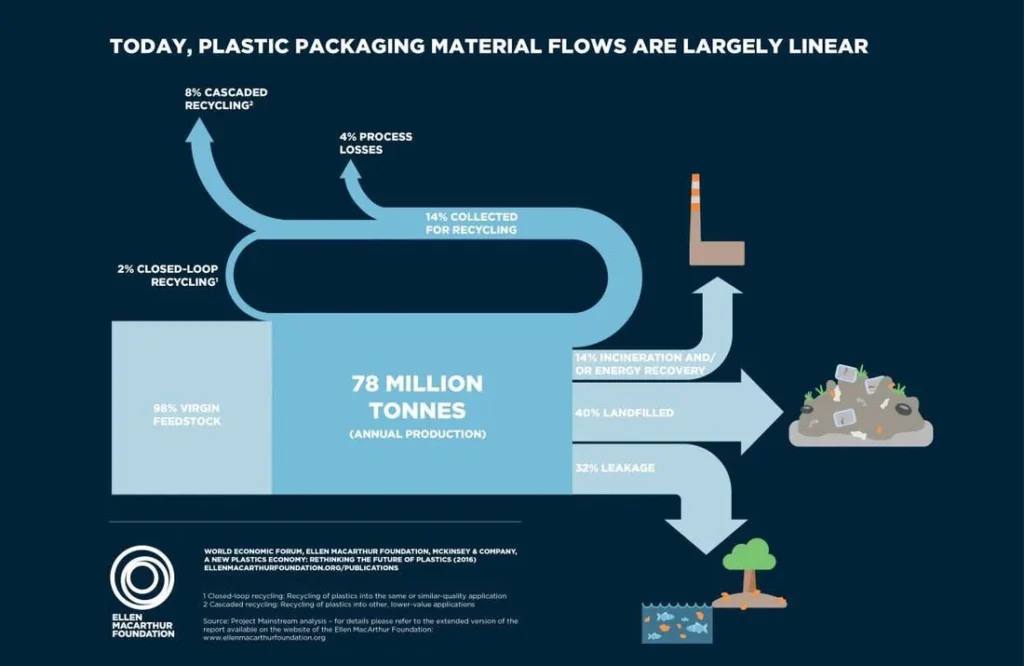
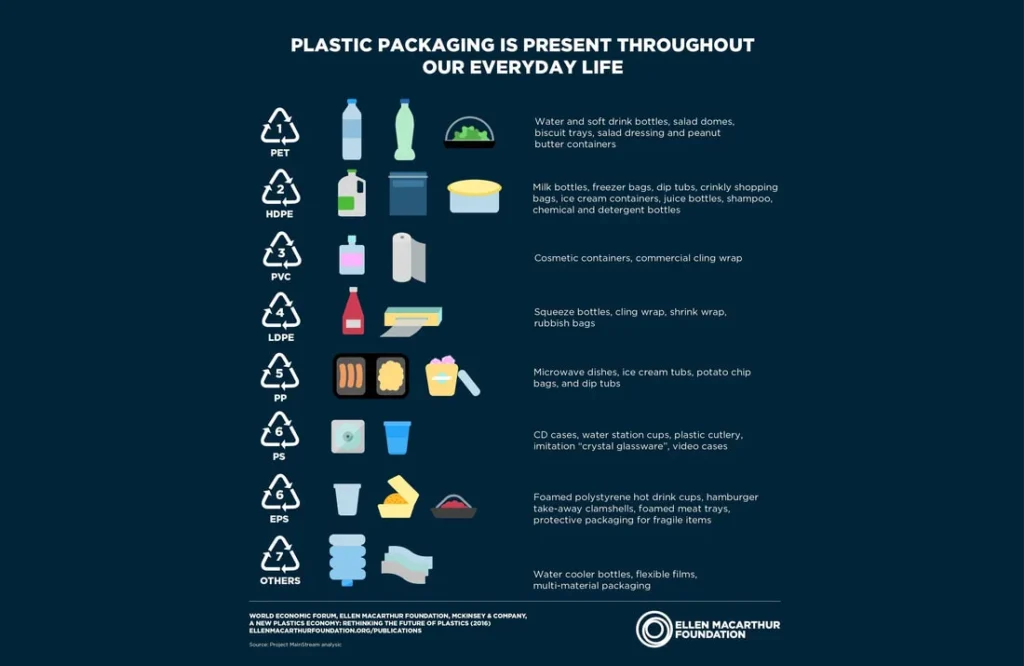
https://www.nationalgeographic.com/environment/2018/07/ocean-plastic-pollution-solutions/Credit: NATIONAL GEOGRAPHIC
(32) Swimming in the sea increases risk of illness.
Pollution of coastal waters by sources including sewage and farm run-off may be the cause. The study was published in the International Journal of Epidemiology on February 26. Researchers identified a 77 per cent increase of ear ailment symptoms such as earaches for sea swimmers versus non-swimmers. The risk for gastrointestinal symptoms like diarrhea and […]
(31) Contact Lenses Are a Surprising Source of Pollution.
Wastewater contains billions of lenses, which eventually make their way into the environment. After analyzing various stages of the process, they found that lenses degraded somewhat during waste-water treatment but did not break down entirely, meaning that small fragments of plastic are being flushed out into the water supplies, potentially endangering marine life.Credit: American Chemical […]
(30) Degrading plastics revealed as source of greenhouse gases.
Researchers have found that several greenhouse gases are emitted as common plastics degrade in the environment. Their study reports the unexpected discovery of the universal production of greenhouse gases methane and ethylene by the most common plastics when exposed to sunlight. Greenhouse gases directly influence climate change — affecting sea level, global temperatures, ecosystem health […]
(29) Arctic’s strongest sea ice breaks up for first time on record.
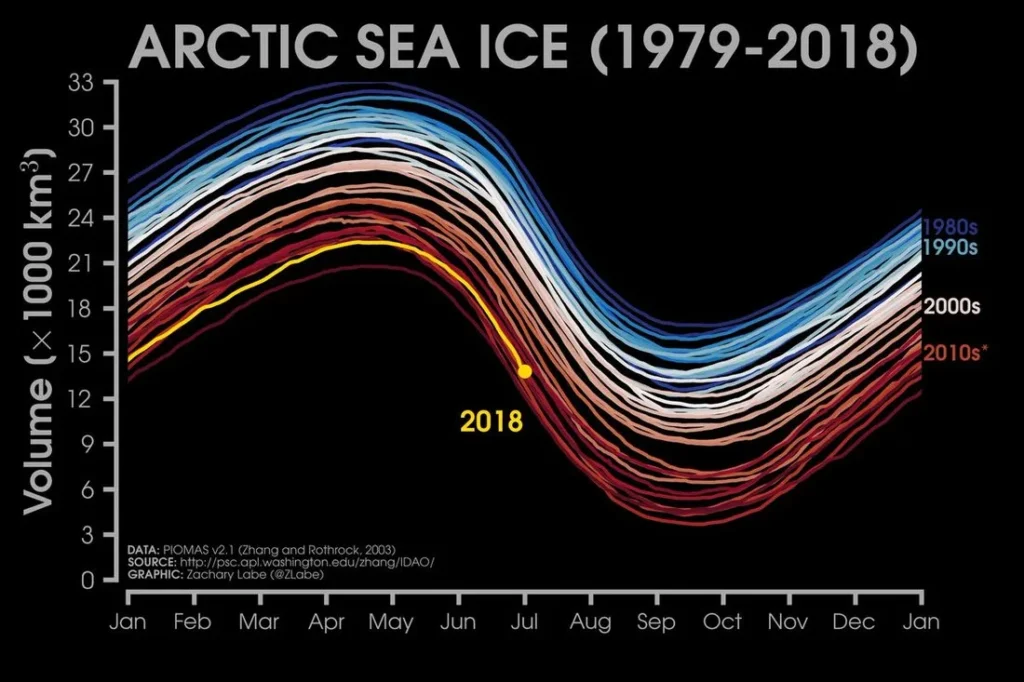
The oldest and thickest sea ice in the Arctic has started to break up, opening waters north of Greenland that are normally frozen, even in summer. This phenomenon – which has never been recorded before – has occurred twice this year due to warm winds and a climate-change driven heatwave in the northern hemisphere. The […]
(28) ‘Absolutely shocking’: Waves of garbage hit Dominican Republic beach.
Every year, thousands of Canadians flock to the Dominican Republic for vacation, with the country’s Ministry of Tourism boasting iconic sights, rich nightlife, and “palm-studded, continuous diamond white beaches.” But video footage shot last week by the environmental group Parley for the Oceans may have some travellers second-guessing their beach getaways this year. The video […]