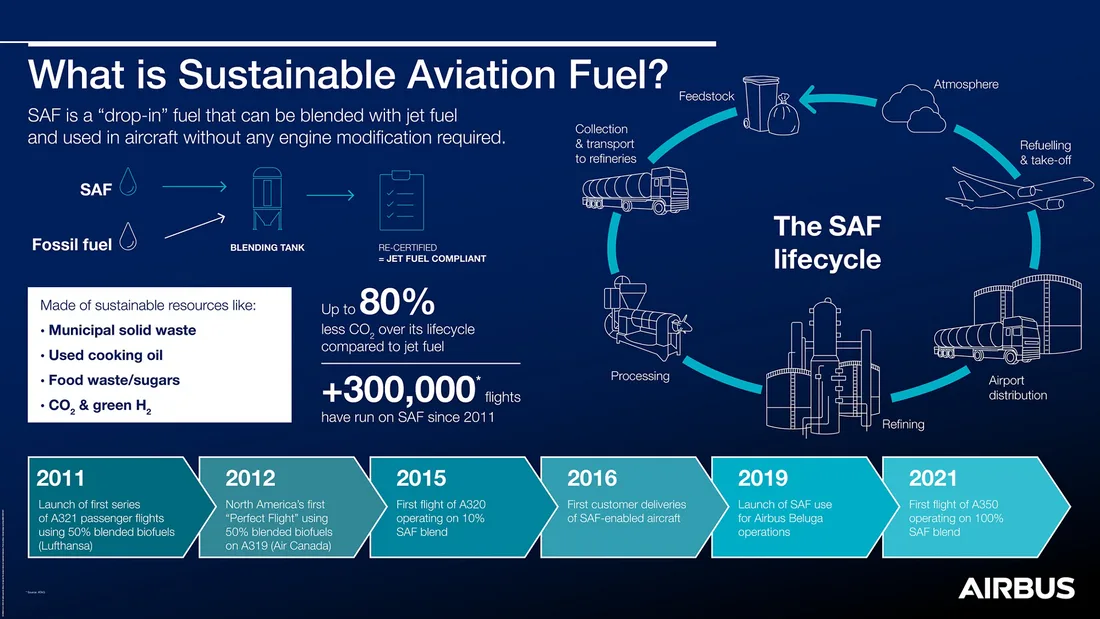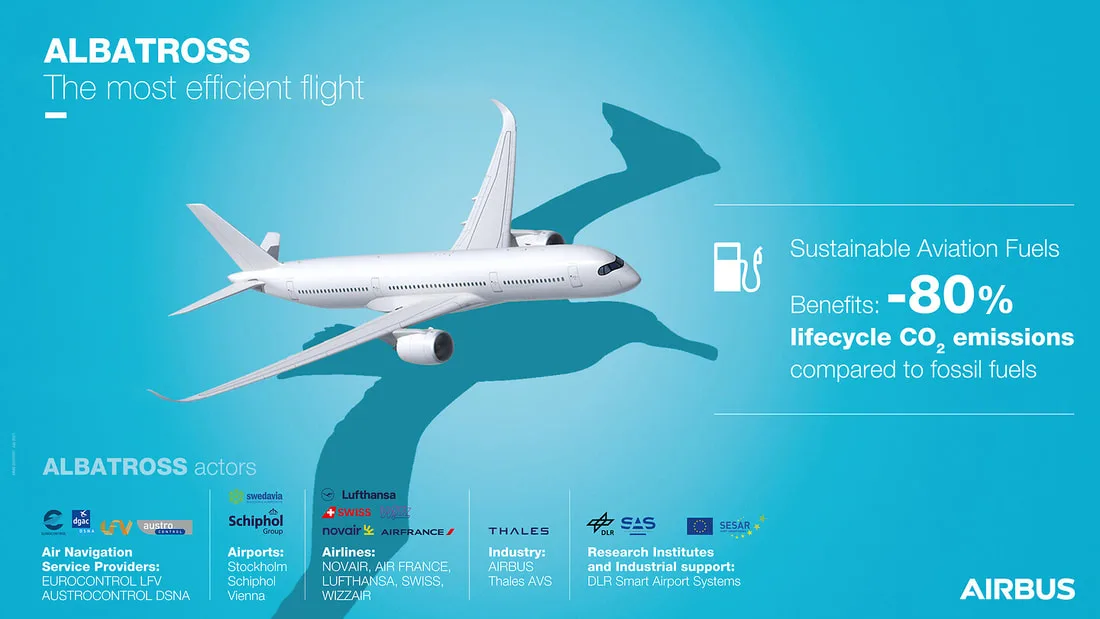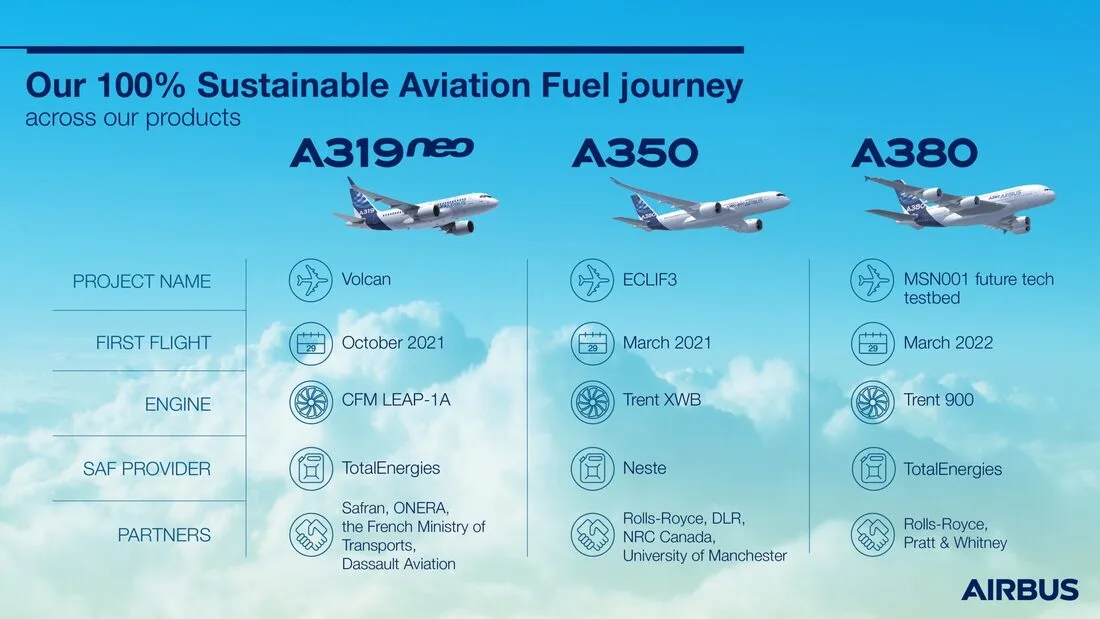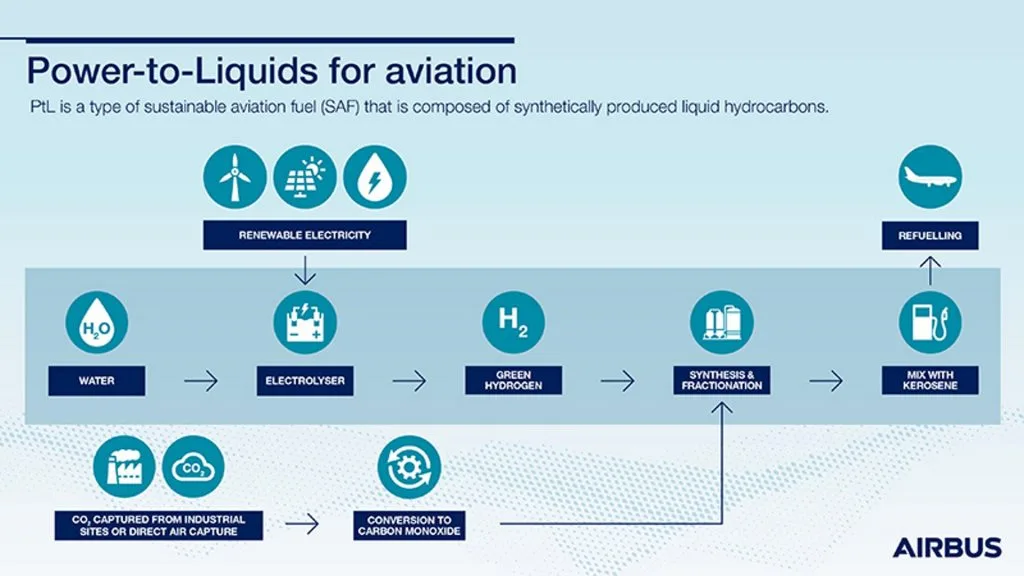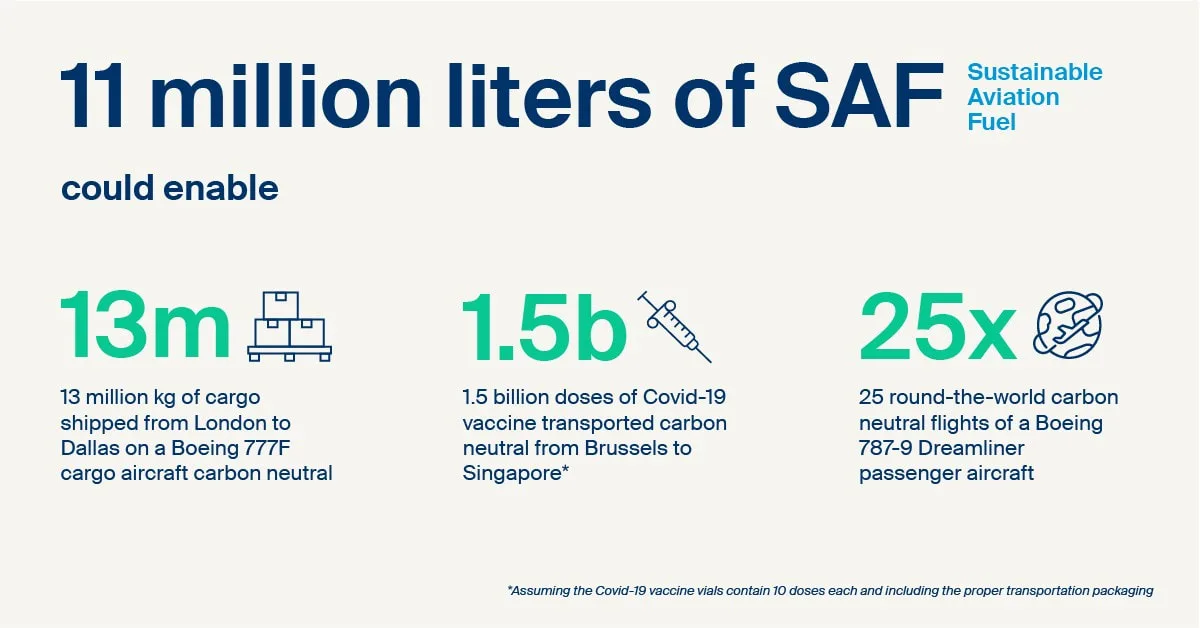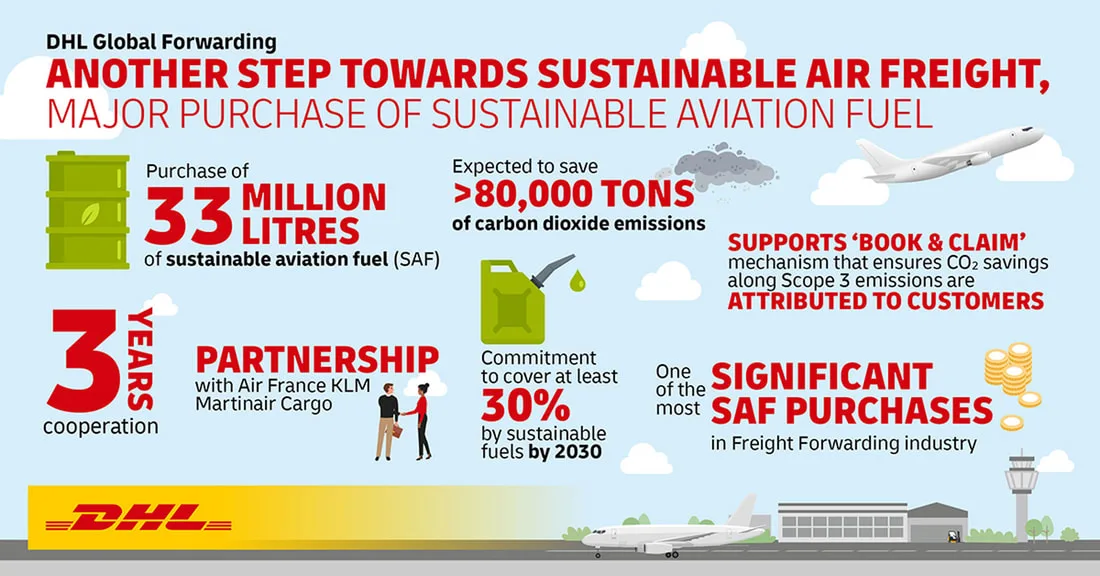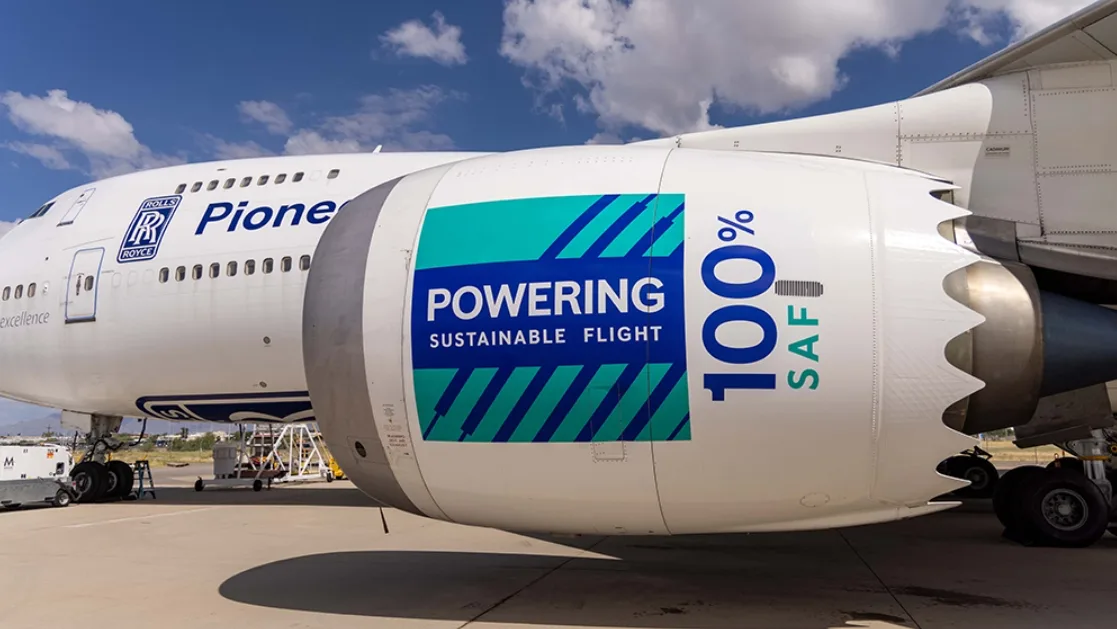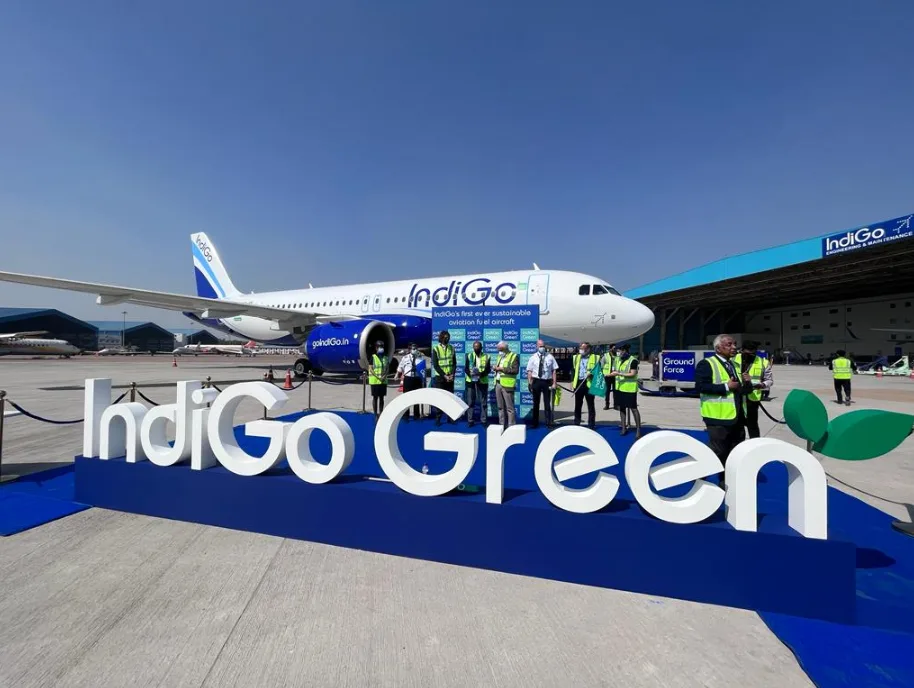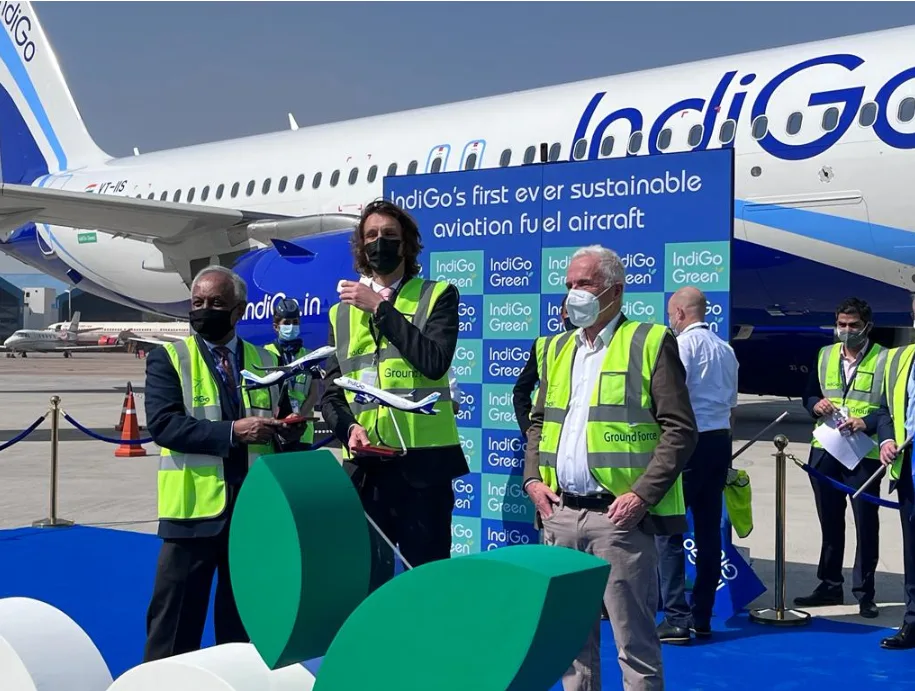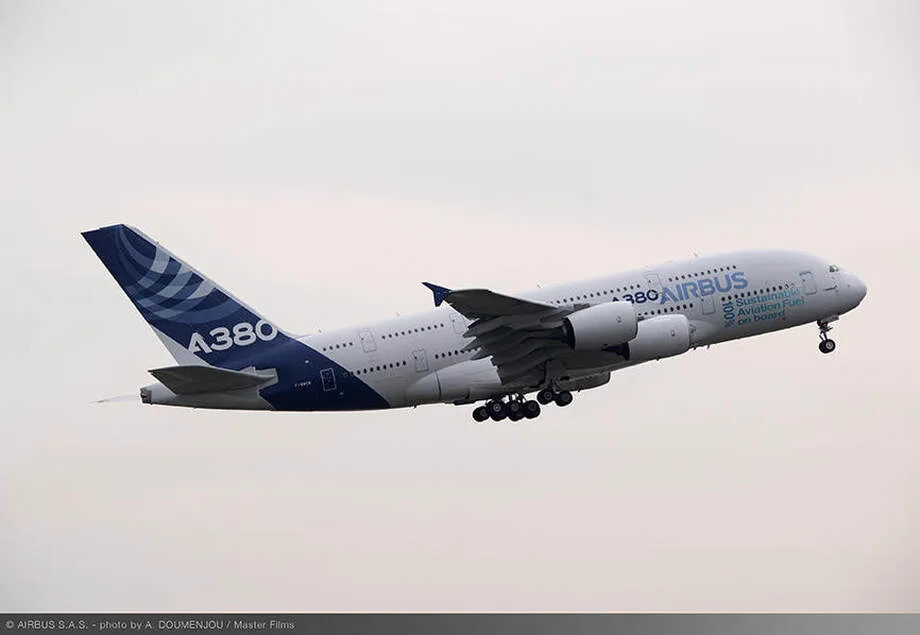
An A380 Airbus recently flew for three hours with one engine powered entirely by sustainable aviation fuel (SAF), made from used cooking oil and other fats. Switching from petroleum-based kerosene to sustainable fuels plays a big part in aviation’s efforts to cut CO2 emissions in the race to net-zero. The aviation industry is widely acknowledged as one of the hardest to decarbonize and its share in global emissions is around 2%. The A380 joins its smaller relatives, the Airbus A350 and the A319neo, which went through similar tests last year. Sustainable aviation fuel comes in a variety of guises, all of which have in common that they can deliver performance on a par with kerosene jet fuel but with a fraction of the CO2 emissions. Many SAFs contain fewer aromatic components than kerosene, enabling them to burn cleaner. This improves aircraft performance and also reduces emissions of pollutants other than CO2. SAF still comes at a high cost: sustainable aviation fuel currently costs around four times as much as conventional jet fuel. As a result, supplies are limited, with production currently estimated at less than 0.1% of global jet fuel consumption.
Credit: WORLD ECONOMIC FORUM