
(73) This Organic Milk Farm Was Set Up In One Of China’s Largest Deserts
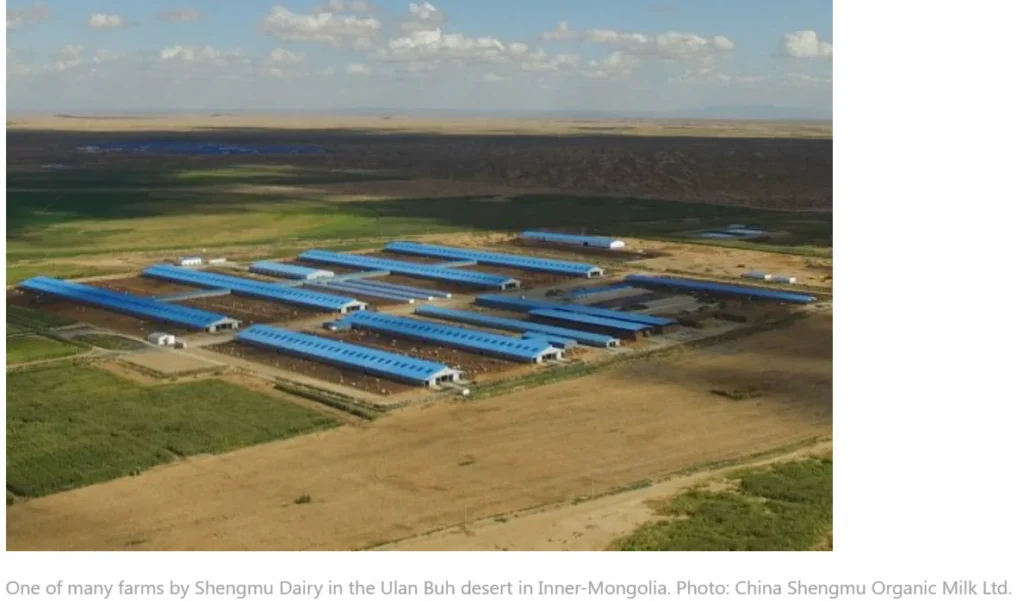
Ulan Buh is one of China’s largest deserts, stretching over 14,000km2 in Inner Mongolia. Starting in 2009, dairy company ShengMu has transformed this landscape into a farm for 80,000 cows. The dairy industry in the desert was developed by a local company, Bayannur Shengmu High-tech Ecological Forage Co., Ltd., following the successful greening of the […]
(72) Antibiotic-Resistant Superbugs Kill More People Than AIDS Or Malaria: Study
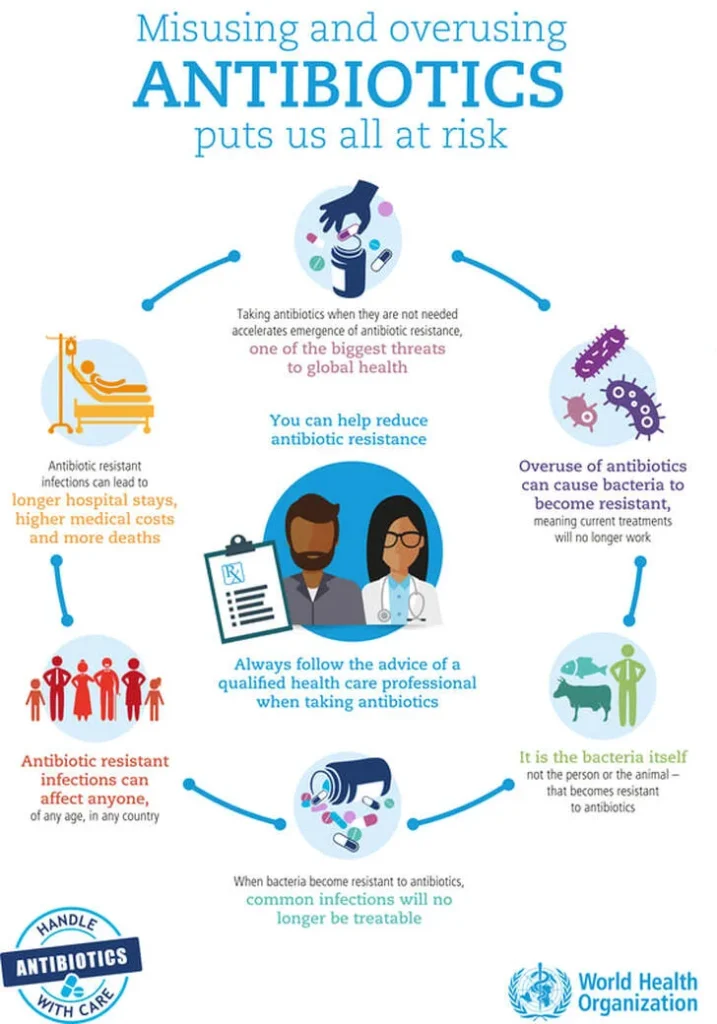
More than a million people worldwide die each year from infections linked to microbes resistant to antibiotics, a new study has found. Researchers describe the threat as “one of the greatest challenges facing humanity.” Superbug infections killed 1.2 million people in 2019, according to a study published in The Lancet on Thursday. Using data from […]
(71) The First Algae-Powered Building Presents Unique Renewable Energy Solution

The world’s first algae-powered building was constructed in Hamburg, Germany by Splitterwerk Architects in 2013. The facade of the building has 129 panel glass bioreactors containing algae. When sunlight heats the building, the algae multiplies and generates biomass and heat. A management center within the building controls the panels and stores the heat it creates […]
(70) Over 2 Billion People To Be Affected If Melting Of Himalayan Glaciers Continue
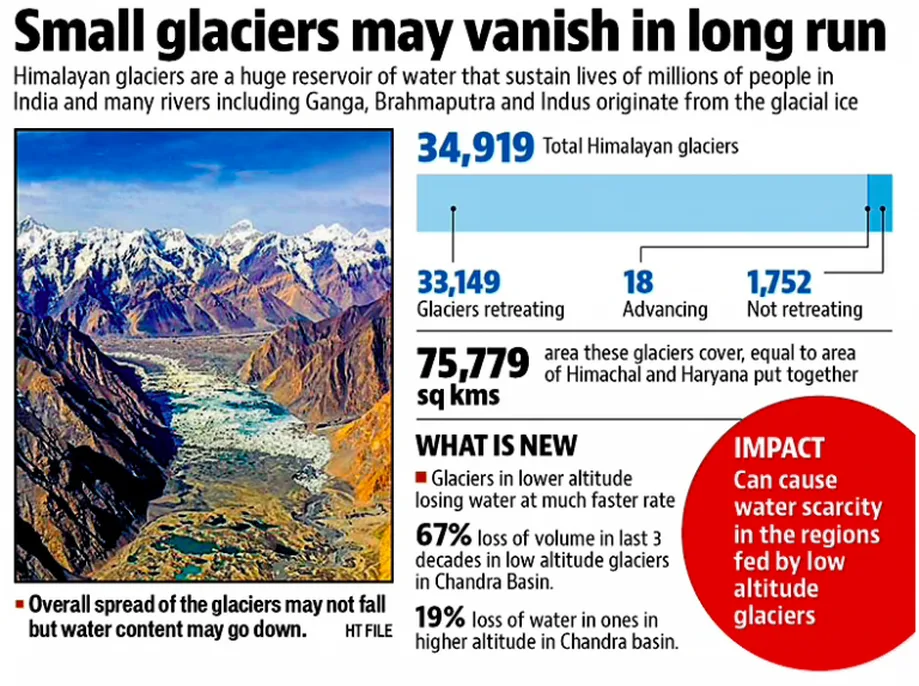
Rising temperatures are melting glaciers and other frozen water across the Hindu Kush Himalayas. Urgent action to curb emissions is needed to secure water supplies, protect livelihoods and prevent disasters across the region. In the Hindu Kush Himalayan region – which includes the mountain ranges of the Pamirs, the Tien Shan and the Tibetan Plateau […]
(69) Global Report on Food Crises 2021
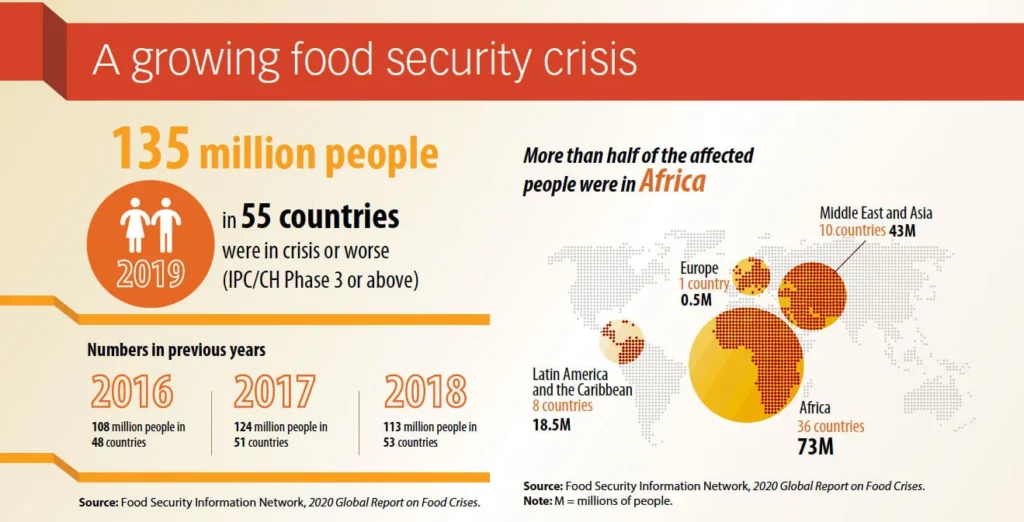
More than 155 million people experienced acute food insecurity at crisis level or worse around the world in 2020, an increase of 20 million from 2019 and a five-year high, as the COVID-19 pandemic compounded economic shocks, conflicts, and climate and severe weather impacts, estimates the 2021 Global Report on Food Crises (GRFC). The Global […]
(68) Costa Rica Running Entirely on Renewable Energy
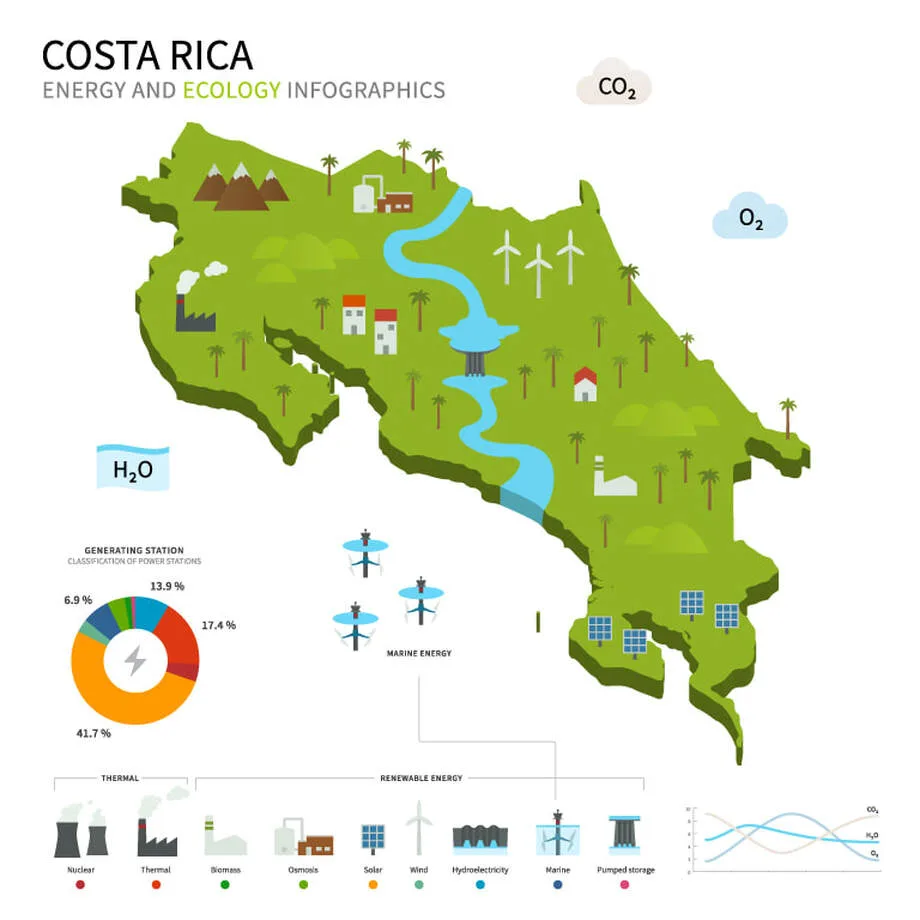
For starters, Costa Rica is a relatively small nation, with just 4.8 million people living in a land mass that measures 51,000 square kilometers. Also, its primary industries are tourism and agriculture, and not the particularly energy-intensive industries of manufacturing or mining. Nevertheless, this is still a major accomplishment for the small nation. According to […]
(67) The Innovation Turning Desert Sand Into Farmland
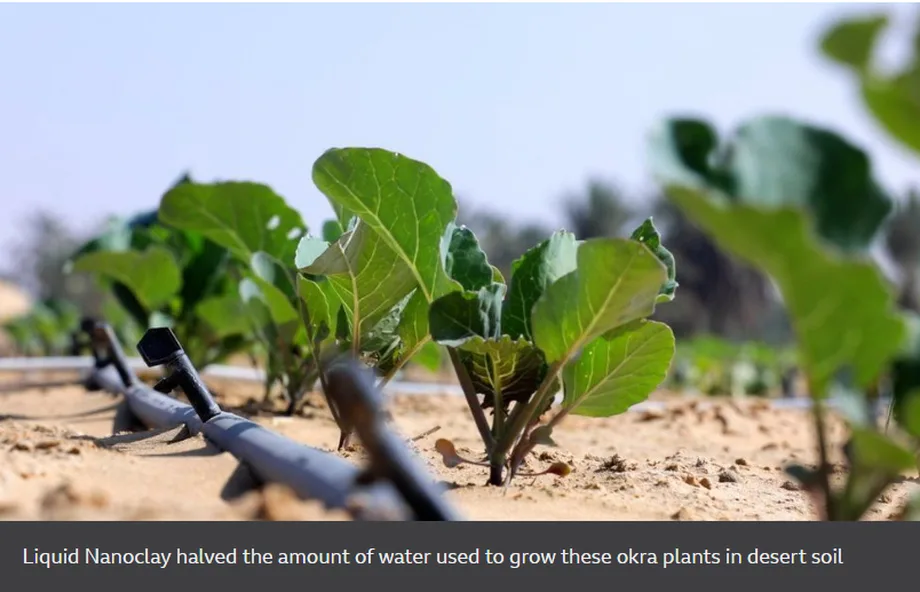
By mixing clay nanoparticles with water and then bonding them to sand particles, the arid soil can be conditioned to bear fruit. Normal sand particles are very loose so they have a very low water retention capacity and that does not allow the soil to be fertile. Morten explains that when Liquid Nanoclay is added […]
(66) Overfishing & Destructive Fishing
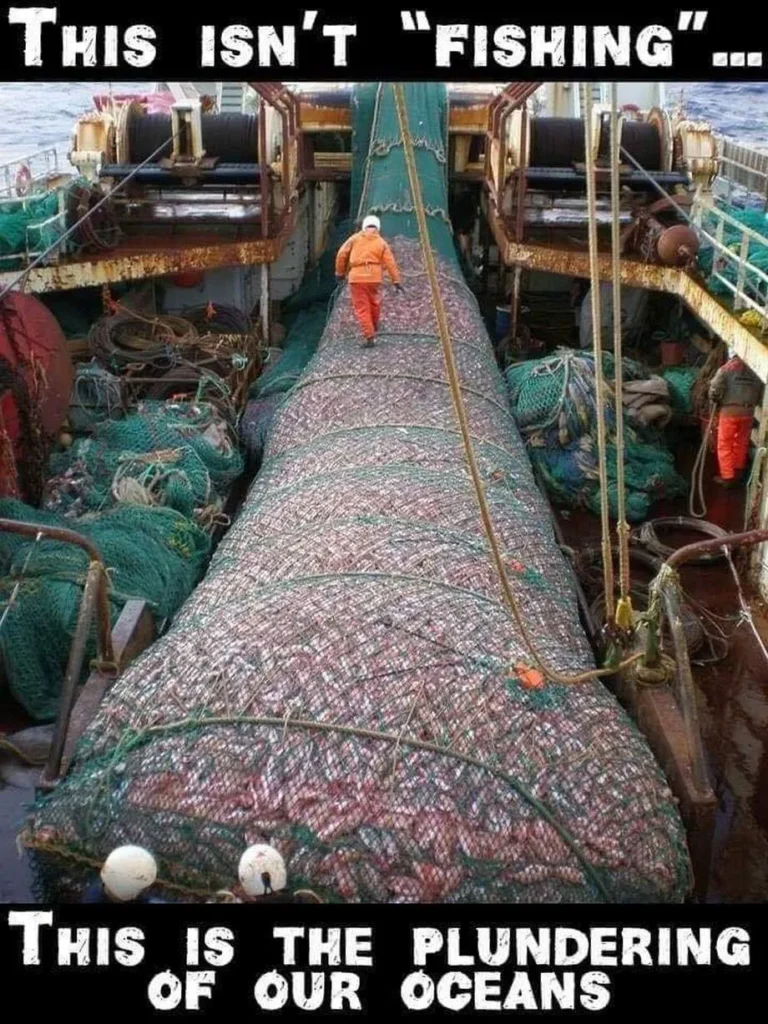
Currently, less than two percent of our oceans are set aside as marine reserves, making it all too easy to exploit their resources. Overfishing and destructive, wasteful fishing practices are threatening the health of our oceans and food security for communities everywhere. Overfishing is threatening food security for hundreds of millions of people and destroying […]
(65) How Digging Holes Can Save Kenyan dryland farmers ?
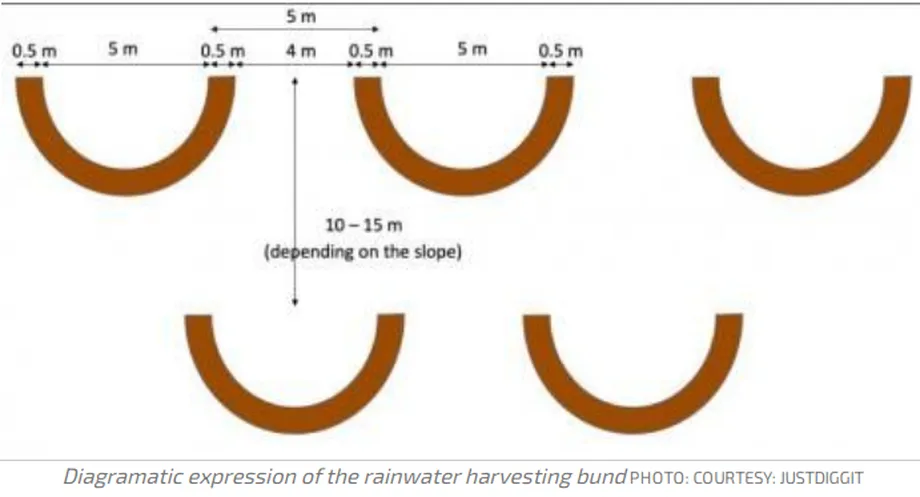
In the Southen part of Kenya, the Maasai community has taken up digging holes, referred to as rainwater bunds, to reclaim the land from the desert effects and have vegetation for their livestock. The communities in collaboration with Justdiggit, a Dutch foundation that restores degraded ecosystems by developing, initiating, and co-funding large-scale landscape restoration programs […]
(64) Why The World Is Running Out Of Sand ?
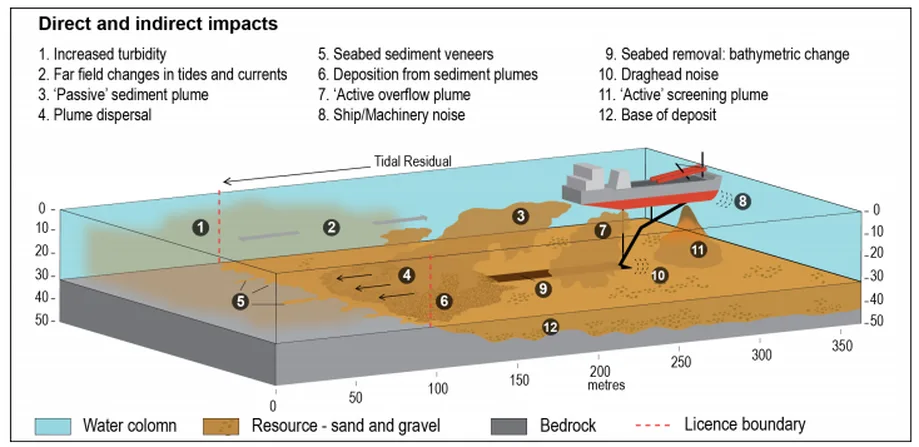
Sand, however, is the most-consumed natural resource on the planet besides water. People use some 50 billion tonnes of “aggregate” – the industry term for sand and gravel, which tend to be found together – every year. The problem lies in the type of sand we are using. Desert sand is largely useless to us. […]