The World Bank Organisation describes poverty in this way:
“Poverty is hunger. Poverty is lack of shelter. Poverty is being sick and not being able to see a doctor. Poverty is not having access to school and not knowing how to read. Poverty is not having a job, is fear for the future, living one day at a time.
Poverty has many faces, changing from place to place and across time, and has been described in many ways. Most often, poverty is a situation people want to escape. So poverty is a call to action — for the poor and the wealthy alike — a call to change the world so that many more may have enough to eat, adequate shelter, access to education and health, protection from violence, and a voice in what happens in their communities.”
Facts about World Poverty
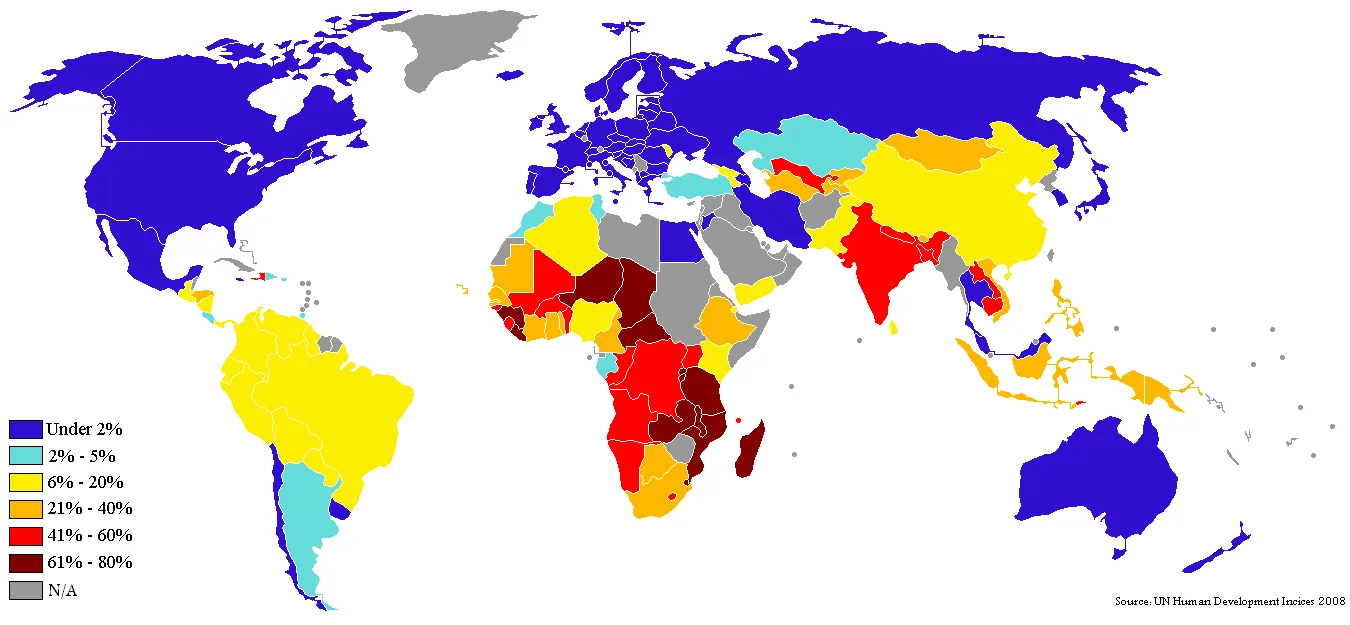
- 80% of humanity live on less that $10 a day
- The poorest 40 percent of the world’s population accounts for 5 percent of global income. The richest 20 percent accounts for three-quarters of world income
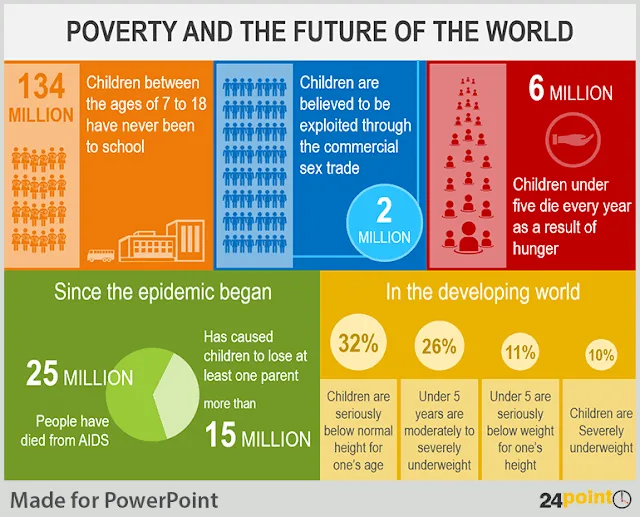
- According to UNICEF, 22,000 children die each day due to poverty.
- Infectious diseases continue to blight the lives of the poor across the world. An estimated 40 million people are living with HIV/AIDS, with 3 million deaths in 2014. Every year there are 350–500 million cases of malaria, with 1 million fatalities: Africa accounts for 90 percent of malarial deaths and African children account for over 80 percent of malaria victims worldwide
- There are 2.2 billion children in the world and 1 billion live in poverty that is every second child
- More than 750 million people lack adequate access to clean drinking water. Diarrhea caused by inadequate drinking water, sanitation, and hand hygiene kills an estimated 842,000 people every year globally, or approximately 2,300 people per day.
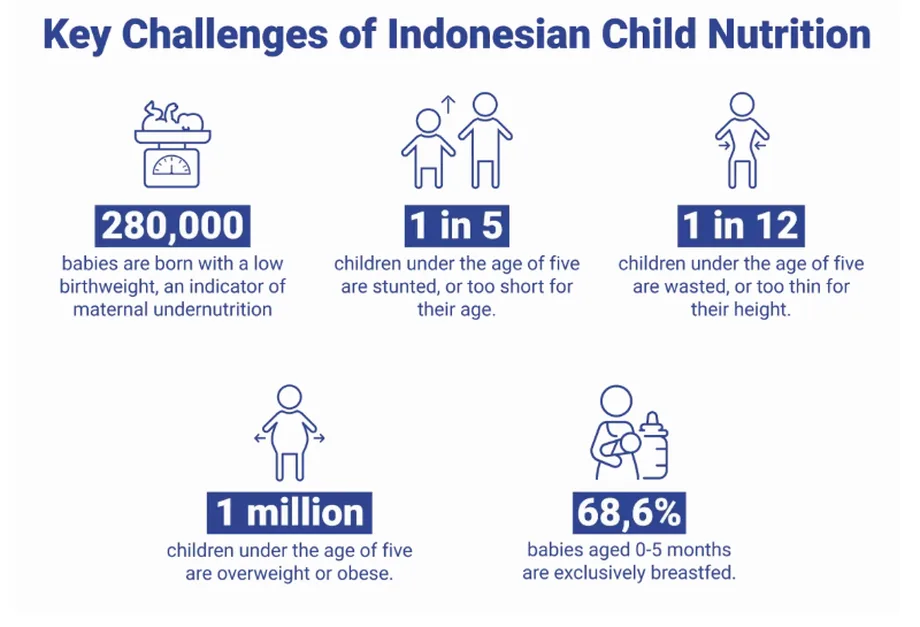
- In 2014, 165 million children under the age 5 were stunted (reduced rate of growth and development) due to chronic malnutrition.
- Preventable diseases like diarrhea and pneumonia take the lives of 2 million children a year who are too poor to afford proper treatment.
- 1/4 of all humans live without electricity — approximately 1.8 billion people.
- Oxfam estimates that it would take $90 billion annually to end extreme global poverty–that’s less than 1/4 the income of the top 100 richest billionaires.
- The World Food Programme says, “The poor are hungry and their hunger traps them in poverty.” Hunger is the number one cause of death in the world, killing more than HIV/AIDS, malaria, and tuberculosis combined.