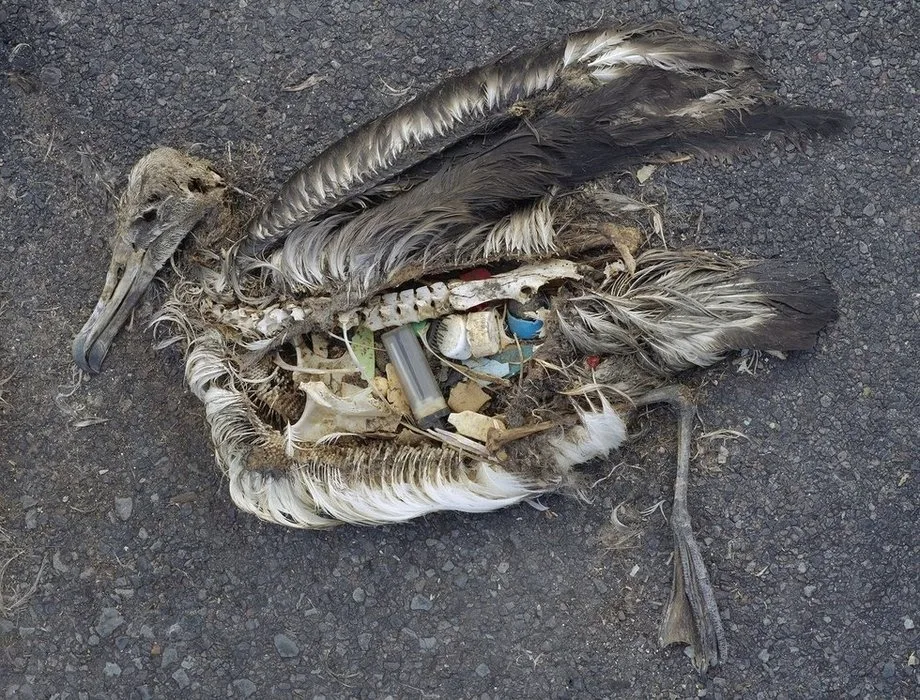
The Great Pacific Garbage Patch (GPGP) floating off the coast of California now measures 1.6 million square kilometers (about 1 million square miles), according to a startling new study. To put that into perspective, the clump of trash is about the size of three Frances, or twice the size of Texas. Not only that, the analysis, published Thursday in the journal Scientific Reports, also revealed that the massive Pacific trash vortex contains up to 16 times more plastic than previous estimates–and could rapidly get worse. The researchers estimated there are about 1.8 trillion pieces of plastic weighing 80,000 metric tons, the equivalent of 500 Jumbo Jets, are currently afloat in the area. That’s largest accumulation zone for ocean plastics on Earth. Credit: Seeker+Sci
Plastic Pollution: A History
1862: Alexander Parkes demonstrates the first man-made plastic at the Great International Exhibition in London. Parkesine, as he dubbed it, was made from cellulose.
1907: Leo Baekeland develops Bakelite, the first synthetic, fossil-fuel based plastic made from phenol (a coal waste-product) and formaldehyde.
1946: The first National Plastics Exhibition opens in New York City to showcase all the new consumer uses for the plastics developed to aid in World War II. During the war, plastic production had increased nearly four-fold.
Early 1970s: Reports published in Science about the prevalence of plastic pellets in the North Atlantic lead to more research into the prevalence of plastic on the seafloor and its impact on marine animals.
1979: Plastic grocery bags are introduced to the world.
1980: Woodbury, New Jersey becomes the first U.S. city to adopt a curbside recycling program following litter awareness-campaigns in the 1960s and 1970s.
1990s: Widespread use of plastic microbeads in cosmetics begins.
1997: Charles Moore discovers the Great Pacific Garbage Patch, the world’s largest collection of floating garbage, when sailing home to Los Angeles.
2002: Bangladesh becomes the first country to ban plastic bags after discovering they blocked drains during a severe flood.
2007: San Francisco becomes the first U.S. city to institute a plastic bag ban.
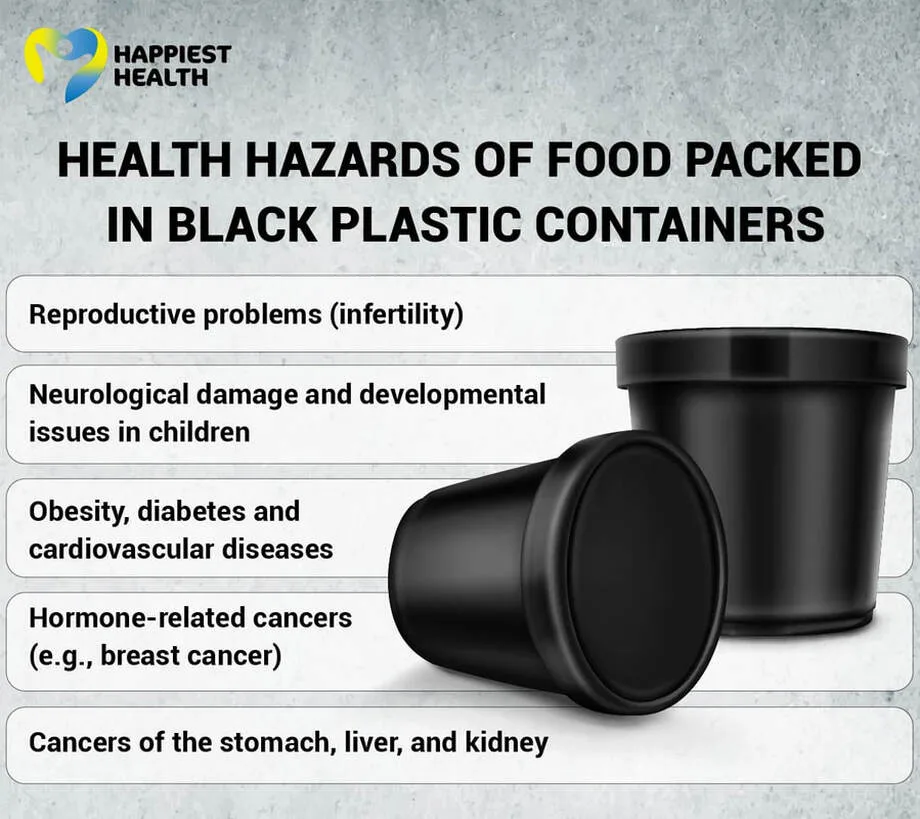
2008: A government study confirms that Bisphenol A, a chemical used to manufacture hard plastic bottles and the lining of baby-formula cans, may increase risks of early puberty, breast cancer, prostate issues and behavioral problems.
2014: The Netherlands becomes the first country to ban microbeads in cosmetics.
2017: The BBC’s Blue Planet II increases global concern about ocean plastics with striking footage of how they impact ocean animals.
2018: The Earth Day Network focuses Earth Day on ending plastic pollution by 2020.